
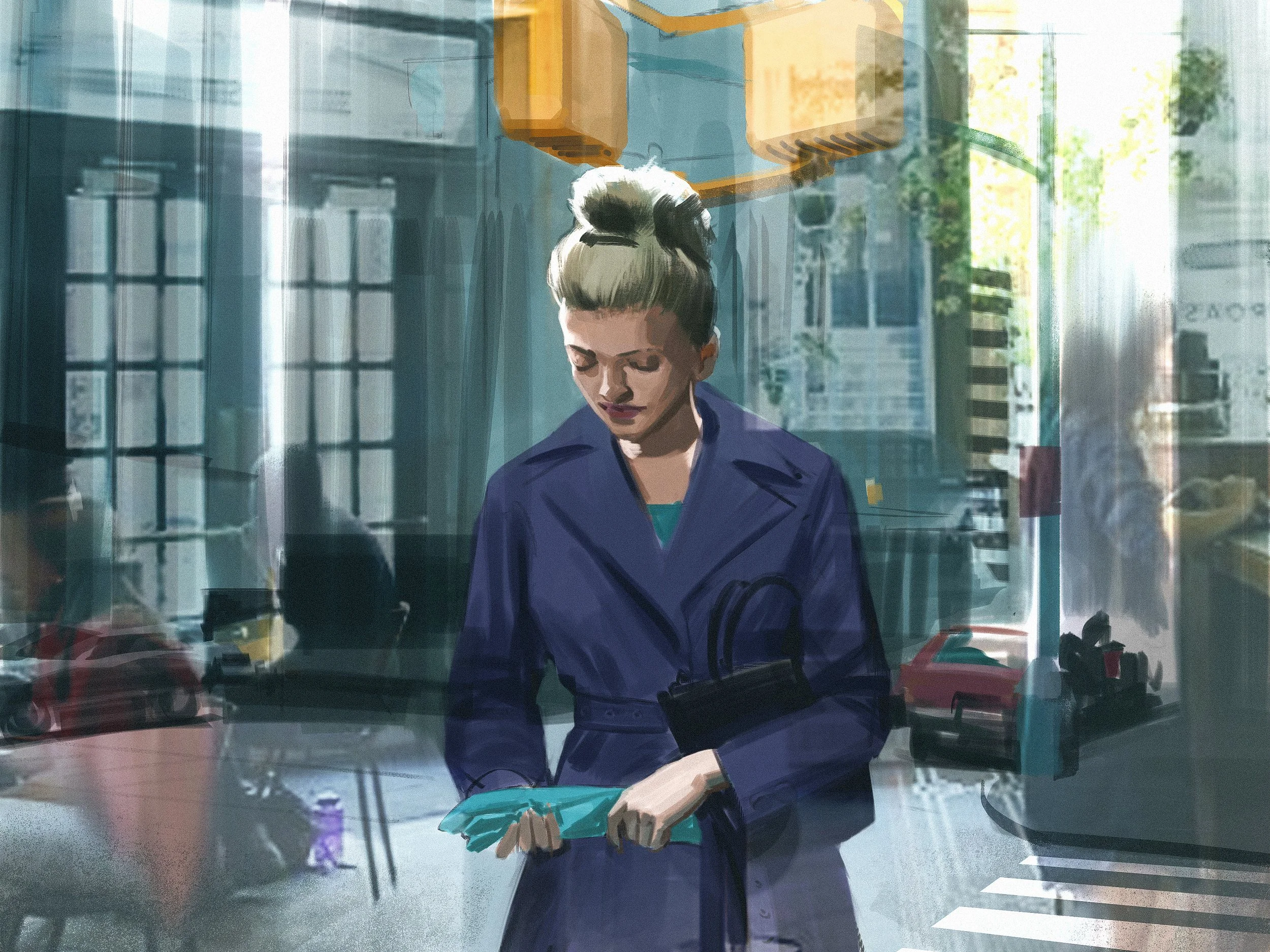
There is a strange pressure in the creative world today to make everything perfect. Too perfect. I see it in pitches, decks, treatments, previs, even mood boards. I see it in the flood of AI generated images that look polished and impressive at first glance but fall apart the moment you look for any sense of truth. It is a visual language that has been sanded down until it has no fingerprints left. Everything is smooth, clean, perfect, and hollow.
I call it the Fake Perfect Trap. It is the easiest pit to fall into right now because the tools we have are incredibly good at surface level beauty. With one click you can generate a composition that looks expensive. You can create lighting that looks technically correct. You can build sets that are spotless and props that are untouched by time. You can even generate a character with perfect symmetry and skin so flawless it looks like it has never interacted with a real atmosphere.
But none of that feels alive. None of that feels lived in. None of that carries the weight of a person, a room, or a world that existed before the frame.
The trap is that perfect visuals feel impressive for a second but never stay with you. They slide right off the mind. They are empty calories. You remember the shine but not the story. You remember the polish but not the point. Perfection is forgettable because perfection has no tension. It has no struggle. It has no history. Humans are drawn to flaws, age, mistakes, grit, and quiet signs of life. That is where emotional truth lives.
I learned this slowly as an artist, not through a single moment of enlightenment but through years of sitting with paintings, sketching in museums, studying masters, and drawing from life. Every time I go to the Nelson Atkins Museum here in Kansas City, I find myself pulled toward work that has imperfections baked into it. I love paintings where you can still see the underdrawing. I love brushstrokes that were not fully blended. I love little flaws that reveal the hand of the artist. These details feel like evidence that a real person was there, thinking, adjusting, trying to solve the puzzle in front of them.
That lived in quality is what makes great art stick with you. It is also what makes great films stick with you. And it is something the Fake Perfect Trap can never provide.
Filmmaking is full of invisible history. A great scene carries the weight of everything the character has been through before the moment we meet them. A great room looks like someone walked out of it ten seconds ago. A great prop shows the marks of use. A great location feels like generations have moved through it. When everything on screen has a past, the story feels present.
That belief guides everything I do when I storyboard. I am not drawing scenes that exist in a sterile vacuum. I am trying to capture tension, energy, and the messy humanity of a moment. This is where the lived in idea becomes the antidote to the Fake Perfect Trap. You cannot fake life. You have to observe it. You have to pay attention to how light moves across a wall that has been scuffed over time. You have to notice the slump in someone’s shoulders when they are tired. You have to watch how people hold their coffee cups or how objects slowly collect in a corner of a workspace. These details are the vocabulary of real life.
When you study the world closely, you start to understand what actually makes a frame feel honest. Once you understand that, you can decide how to use it in your work. That is the skill AI does not have. AI knows what an image should look like. It does not know why. It does not know how a person feels in a moment. It does not know the taste of struggle. It does not know the weight of loss. It does not know the quiet fear that rises before a big decision. Humans create from lived experience, and that difference is visible no matter how many pixels you polish.
I see a lot of industry conversations that echo this sentiment. Artists are tired of feeling like everything is being flattened by the pursuit of perfection. There is a growing hunger for authenticity, texture, and soul. People are reacting strongly to work that tastes fake because the lack of humanity shows immediately. It is the same reaction you would have if you walked into a beautiful bakery, ordered a perfect pastry, and took a bite only to realize it was flavored with artificial sweetener. The presentation was stunning, but the taste reveals the truth.
That reaction matters. It is the same instinct that tells you when a film frame is honest or when it was built for show. My job as a storyboard artist depends on that instinct. Directors hire me to translate ideas into visuals that feel cinematic, grounded, and emotionally charged. They are not hiring a machine to generate a flawless image. They are hiring a person who observes life and understands how to communicate it. My job is to create frames that help the crew plan, but also to hint at the emotional spine of the scene. A perfect drawing does not do that. A lived in drawing does.
The lived in approach strengthens filmmaking in every stage. It helps actors lock onto the emotional tone. It helps production designers think through the history of a room. It helps cinematographers consider how to use natural imperfections in lighting. It helps directors communicate nuance rather than relying on spectacle. And it helps the entire team avoid the Fake Perfect Trap by grounding decisions in reality rather than aesthetic trends.
This is especially important in a time when AI generated art is everywhere. The speed and convenience of it sets a dangerous expectation that visuals should appear instantly and look flawless from the start. But filmmaking does not work that way. Creativity does not work that way. Real stories are shaped by trial and error, confusion, revisions, and the search for meaning. The process is messy because humans are messy. When you erase that mess, you erase the humanity.
And that is exactly why lived in art resonated long before AI existed. Look at the great directors who build worlds that feel inhabited. Look at the painters who leave evidence of their process. Look at the illustrators who let their lines wander. Look at the films you loved as a kid and ask yourself what you remember. It is rarely the perfect shot. It is usually something imperfect and strangely honest.
I build that same honesty into my boards. Sometimes it is in the looseness of a gesture. Sometimes it is in the rough edges of an environment. Sometimes it is in the posture of a character who looks like they have been on their feet all day. These choices help filmmakers get closer to the emotional truth of their story. They also help avoid the trap of producing scenes that look correct but feel empty.
This is where the lived in mindset becomes practical. If you want your project to feel real, you need to gather real reference. You need to sketch in places that feel alive. You need to watch people in everyday settings. You need to study light in the morning, at noon, and at dusk. You need to look at walls, shoes, streets, and faces. You need to understand the small imperfections that tell you who someone is or what a place has been through. Once you train your eye to see these things, you will be able to put them into your work with intention instead of guessing.
Filmmakers who embrace this approach gain a powerful advantage. A lived in story feels expensive even when the budget is not. A lived in world feels believable even when the set is simple. A lived in performance feels grounded even when the character is fantastical. Audiences can sense authenticity faster than you think, and they reward it every time.
That is why I fight the Fake Perfect Trap with lived in visual storytelling. Perfection is an illusion. Life is not. My work will always sit with the side of life.
If you are a filmmaker trying to build a world that feels honest, or if you want storyboards that bridge concept and emotion, I am always happy to help bring your vision to the screen. My job is to help you communicate clearly and to make your story feel like it has a pulse.
Real stories deserve real art that feels lived in. That is something perfection will never deliver.
📩 Reach out: paul@paultemplestudios.com
🎨 Explore more: www.paultemplestudios.com
Want more blog posts on this topic?
1. The Human Element: Why Observation Still Beats AI in Visual Development
2. Understanding Context and Subtext: Why Choosing the Right Storyboard Artist Matters
3. Breathing Life Into Your Characters: The Importance of Good Character Design