• Home
  • Film
  • Advertising
  • Super Bowl LVII
  • Clients
  • Blog
  • Contact
Menu

Paul Temple Studios

  • Home
  • Film
  • Advertising
  • Super Bowl LVII
  • Clients
  • Blog
  • Contact
×

Behind the Boards: A Blog by Artist, Paul Temple

Welcome to the blog! Here you'll find insights into the art of storyboarding, concept development, shooting boards, and visual storytelling for film, television, and advertising. From camera planning techniques to the emotional impact of character design, this is where I’ll share my expertise honed over a decade of working with directors and top brands. Whether you're a creative director, filmmaker, or agency looking to elevate your pitch, this blog reveals how powerful visuals drive unforgettable stories.

Questions? Email me at paul@paultemplestudios.com

United Airlines uniform lookbook. Art by Paul Temple.

The Fake Perfect Trap and Why Lived In Art Wins Every Time

Paul Temple December 4, 2025

There is a strange pressure in the creative world today to make everything perfect. Too perfect. I see it in pitches, decks, treatments, previs, even mood boards. I see it in the flood of AI generated images that look polished and impressive at first glance but fall apart the moment you look for any sense of truth. It is a visual language that has been sanded down until it has no fingerprints left. Everything is smooth, clean, perfect, and hollow.

I call it the Fake Perfect Trap. It is the easiest pit to fall into right now because the tools we have are incredibly good at surface level beauty. With one click you can generate a composition that looks expensive. You can create lighting that looks technically correct. You can build sets that are spotless and props that are untouched by time. You can even generate a character with perfect symmetry and skin so flawless it looks like it has never interacted with a real atmosphere.

But none of that feels alive. None of that feels lived in. None of that carries the weight of a person, a room, or a world that existed before the frame.

The trap is that perfect visuals feel impressive for a second but never stay with you. They slide right off the mind. They are empty calories. You remember the shine but not the story. You remember the polish but not the point. Perfection is forgettable because perfection has no tension. It has no struggle. It has no history. Humans are drawn to flaws, age, mistakes, grit, and quiet signs of life. That is where emotional truth lives.

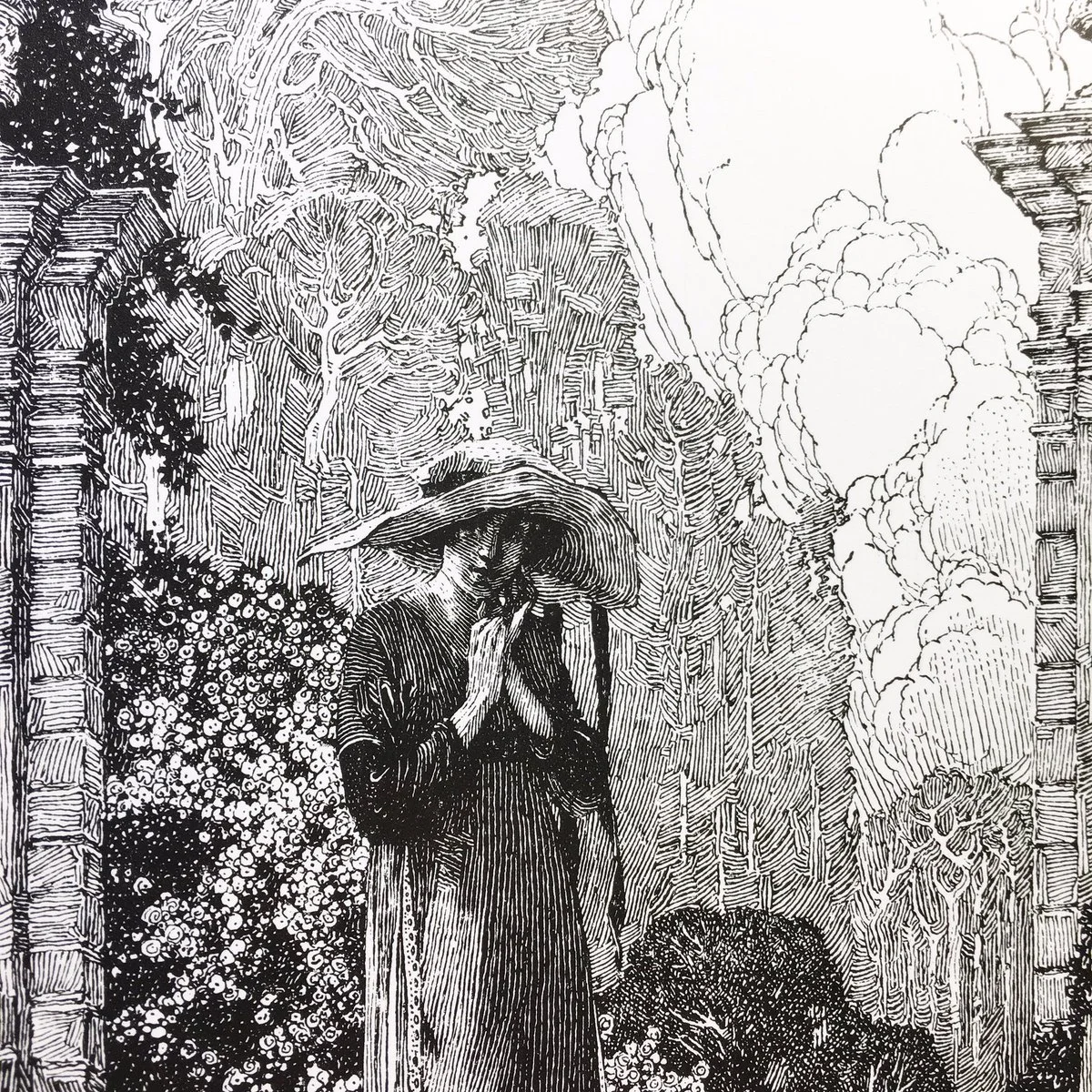
I learned this slowly as an artist, not through a single moment of enlightenment but through years of sitting with paintings, sketching in museums, studying masters, and drawing from life. Every time I go to the Nelson Atkins Museum here in Kansas City, I find myself pulled toward work that has imperfections baked into it. I love paintings where you can still see the underdrawing. I love brushstrokes that were not fully blended. I love little flaws that reveal the hand of the artist. These details feel like evidence that a real person was there, thinking, adjusting, trying to solve the puzzle in front of them.

That lived in quality is what makes great art stick with you. It is also what makes great films stick with you. And it is something the Fake Perfect Trap can never provide.

Filmmaking is full of invisible history. A great scene carries the weight of everything the character has been through before the moment we meet them. A great room looks like someone walked out of it ten seconds ago. A great prop shows the marks of use. A great location feels like generations have moved through it. When everything on screen has a past, the story feels present.

That belief guides everything I do when I storyboard. I am not drawing scenes that exist in a sterile vacuum. I am trying to capture tension, energy, and the messy humanity of a moment. This is where the lived in idea becomes the antidote to the Fake Perfect Trap. You cannot fake life. You have to observe it. You have to pay attention to how light moves across a wall that has been scuffed over time. You have to notice the slump in someone’s shoulders when they are tired. You have to watch how people hold their coffee cups or how objects slowly collect in a corner of a workspace. These details are the vocabulary of real life.

When you study the world closely, you start to understand what actually makes a frame feel honest. Once you understand that, you can decide how to use it in your work. That is the skill AI does not have. AI knows what an image should look like. It does not know why. It does not know how a person feels in a moment. It does not know the taste of struggle. It does not know the weight of loss. It does not know the quiet fear that rises before a big decision. Humans create from lived experience, and that difference is visible no matter how many pixels you polish.

I see a lot of industry conversations that echo this sentiment. Artists are tired of feeling like everything is being flattened by the pursuit of perfection. There is a growing hunger for authenticity, texture, and soul. People are reacting strongly to work that tastes fake because the lack of humanity shows immediately. It is the same reaction you would have if you walked into a beautiful bakery, ordered a perfect pastry, and took a bite only to realize it was flavored with artificial sweetener. The presentation was stunning, but the taste reveals the truth.

That reaction matters. It is the same instinct that tells you when a film frame is honest or when it was built for show. My job as a storyboard artist depends on that instinct. Directors hire me to translate ideas into visuals that feel cinematic, grounded, and emotionally charged. They are not hiring a machine to generate a flawless image. They are hiring a person who observes life and understands how to communicate it. My job is to create frames that help the crew plan, but also to hint at the emotional spine of the scene. A perfect drawing does not do that. A lived in drawing does.

The lived in approach strengthens filmmaking in every stage. It helps actors lock onto the emotional tone. It helps production designers think through the history of a room. It helps cinematographers consider how to use natural imperfections in lighting. It helps directors communicate nuance rather than relying on spectacle. And it helps the entire team avoid the Fake Perfect Trap by grounding decisions in reality rather than aesthetic trends.

This is especially important in a time when AI generated art is everywhere. The speed and convenience of it sets a dangerous expectation that visuals should appear instantly and look flawless from the start. But filmmaking does not work that way. Creativity does not work that way. Real stories are shaped by trial and error, confusion, revisions, and the search for meaning. The process is messy because humans are messy. When you erase that mess, you erase the humanity.

And that is exactly why lived in art resonated long before AI existed. Look at the great directors who build worlds that feel inhabited. Look at the painters who leave evidence of their process. Look at the illustrators who let their lines wander. Look at the films you loved as a kid and ask yourself what you remember. It is rarely the perfect shot. It is usually something imperfect and strangely honest.

I build that same honesty into my boards. Sometimes it is in the looseness of a gesture. Sometimes it is in the rough edges of an environment. Sometimes it is in the posture of a character who looks like they have been on their feet all day. These choices help filmmakers get closer to the emotional truth of their story. They also help avoid the trap of producing scenes that look correct but feel empty.

This is where the lived in mindset becomes practical. If you want your project to feel real, you need to gather real reference. You need to sketch in places that feel alive. You need to watch people in everyday settings. You need to study light in the morning, at noon, and at dusk. You need to look at walls, shoes, streets, and faces. You need to understand the small imperfections that tell you who someone is or what a place has been through. Once you train your eye to see these things, you will be able to put them into your work with intention instead of guessing.

Filmmakers who embrace this approach gain a powerful advantage. A lived in story feels expensive even when the budget is not. A lived in world feels believable even when the set is simple. A lived in performance feels grounded even when the character is fantastical. Audiences can sense authenticity faster than you think, and they reward it every time.

That is why I fight the Fake Perfect Trap with lived in visual storytelling. Perfection is an illusion. Life is not. My work will always sit with the side of life.

If you are a filmmaker trying to build a world that feels honest, or if you want storyboards that bridge concept and emotion, I am always happy to help bring your vision to the screen. My job is to help you communicate clearly and to make your story feel like it has a pulse.

Real stories deserve real art that feels lived in. That is something perfection will never deliver.

📩 Reach out: paul@paultemplestudios.com
🎨 Explore more: www.paultemplestudios.com

Want more blog posts on this topic?
1. The Human Element: Why Observation Still Beats AI in Visual Development
2.
Understanding Context and Subtext: Why Choosing the Right Storyboard Artist Matters
3.
Breathing Life Into Your Characters: The Importance of Good Character Design

In AI, Cinematography
Comment
Storyboard frame from a Canada Dry ad pitch. Art by Paul Temple.

Storyboard frame from a Canada Dry ad pitch. Art by Paul Temple.

The Human Element: Why Observation Still Beats AI in Visual Development

Paul Temple November 10, 2025

There’s a strange idea floating around in the creative world right now. People think that the faster an image can be produced, the better the artist must be. AI has fed that illusion. With the right prompts, anyone can generate something that looks cinematic, lit beautifully, and painted with apparent skill. But the surface of an image is not the same as its soul. The human element, the ability to truly observe and interpret what we see, is still what separates an artist from an algorithm.

AI can process millions of references, but it cannot see. It can stitch together color, texture, and lighting from existing data, but it does not know why a hand reaches the way it does, or why light bends through air before touching a subject. It cannot feel the weight of a gesture or the intent of a glance. It cannot decide that a moment means something. And that is why visual development, at its highest level, still belongs to people who study life itself.

Seeing Versus Observing

Observation is a discipline, not a reflex. It takes years to train your eye to notice what others overlook. Most people look at a scene and register only what their brain thinks is important. I study everything, even the things that seem insignificant. The curve of a shoulder, the shift of temperature between two light sources, the way dust softens a beam of sunlight.

AI sees data. It can render something that mimics the physics of light, but it does not understand the relationship between light and story. It can reproduce the visual pattern of Rembrandt’s chiaroscuro, but it cannot grasp why he placed his figures in that light. I make choices with meaning. Light, color, and form all serve narrative. That is what gives a painting or a frame its power.

In filmmaking, the same principle applies. Shooting boards and concept designs are not just about what something looks like. They are about what it feels like. The emotion behind a moment. The pressure between characters. The anticipation of what comes next. Those are things only a human observer can translate.

The Role of Experience

My background in classical drawing and painting gives me a foundation that software cannot replicate. Years of studying anatomy, light, and composition train my eye to solve visual problems instinctively. When a filmmaker describes a scene with three characters in low light, I am not just thinking about how to frame them attractively. I am calculating the visual flow, the tonal hierarchy, and the emotional rhythm that makes the shot believable.

Experience also creates flexibility. When the director changes a scene or a line of dialogue, I have to adapt while keeping continuity intact. That ability comes from practice and intuition, not algorithms. Years of studying gesture drawing help me simplify a complex motion into a few strong lines. A program can only recycle poses it has already seen.

Experience teaches understanding, not imitation. That is the difference between rendering and storytelling.

The Subtext Problem

AI can describe an image, but it cannot understand context. It cannot follow a story arc or remember why a character feels the way they do from one frame to the next. That is why AI-generated visual development often breaks down when it has to maintain emotional or narrative continuity.

I know when to exaggerate a gesture or shift lighting to reinforce the mood of a scene. I understand that the meaning of a look depends on what came before and what will come after. Machines cannot infer that subtext.

That missing awareness shows up in small but important ways. Characters might subtly change proportions from frame to frame. Lighting direction might drift. Backgrounds might lose consistency. These small breaks in continuity destroy immersion. My training prevents those mistakes by thinking like a director. Every frame connects to the next. Every choice serves the story.

Human Light and Machine Light

The study of light is one of the oldest and most complex parts of art. From Monet to Vermeer to Sargent, artists have used light not only to describe form but to express emotion. That same sensitivity is essential in filmmaking.

AI can simulate light, but only statistically. It does not know how warmth or coolness affects mood. It cannot decide that a beam of light should isolate a character at the exact moment they face moral conflict. I make those decisions intuitively, shaped by experience and empathy.

I have spent years studying the way masters used light to guide the viewer’s attention. When I design a frame, I apply those same lessons. The placement of shadows, the contrast between subject and background, the subtle diffusion of color… all of it carries emotional intent. That kind of storytelling through light is not something a program can reproduce with authenticity.

Observation as a Superpower

Observation is more than seeing; it is analysis in real time. It means breaking down what you see into principles of design and emotion. Artists who train their eyes through life drawing or plein air painting develop this skill until it becomes instinctive.

When I work in concept design or storyboards, I approach each task like a painter building a composition. Every frame has a sense of weight, scale, and clarity. That clarity fuels creativity. The more I notice in real life, the more visual vocabulary I have to draw from. AI recycles what already exists. I reinterpret. That difference is what keeps visual storytelling fresh.

The Reality of AI Tools

AI tools have value as part of a pipeline. They can help generate references, thumbnails, or color ideas quickly. But the danger lies in mistaking convenience for creativity. The final image still needs human direction. Someone has to decide which details matter and why.

Filmmakers know this instinctively. They may use AI to generate references, but they still rely on human artists to translate ideas into coherent sequences. Shooting boards, concept designs, and character sketches all depend on choices that reflect narrative understanding. Those choices come from people, not software.

The Bridge Between Art and Film

Visual development sits at the intersection of art and storytelling. It is where ideas become visible for the first time. The process requires more than technical skill. It demands empathy, logic, and emotion… all things that define human intelligence.

When I approach a project, I am thinking about what serves the story and how each element supports the director’s intent. That collaborative awareness is what makes a visual development artist valuable. It is not about decoration. It is about communication.

In film production, communication is everything. I have to understand what the cinematographer, production designer, and director all need from a single image. I anticipate camera movement, lighting setups, and spatial logic. A machine cannot juggle that kind of human collaboration.

The Future Is Human

Technology will continue to change the industry, but the foundation of great visual storytelling will stay the same. Observation, study, and empathy will always matter. They are what make art feel real.

The truth is, anyone can generate an image now. What separates professionals from the crowd is the ability to think, interpret, and choose. Those skills come from being human, from years of training the eye and understanding the world through light and form.

My work reflects that belief. My shooting boards and designs are not just drawings. They are translations of story, intent, and feeling into visual form.

The tools will evolve, but art is still about seeing. Real seeing. And that begins with observation.

📩 Reach out: paul@paultemplestudios.com
🎨 Explore more: www.paultemplestudios.com

Want more blog posts on this topic?
1. Setting the Emotional Tempo: How Storyboards Shape the Audience’s Experience
2.
Understanding Context and Subtext: Why Choosing the Right Storyboard Artist Matters
3.
Breathing Life Into Your Characters: The Importance of Good Character Design

In Cinematography, AI
Comment
Storyboard for Pepsi Zero’s “Great Acting, or Great Taste?” Superbowl LVII commercial featuring Ben Stiller. Art by Paul Temple.

Storyboard for Pepsi Zero’s “Great Acting, or Great Taste?” Superbowl LVII commercial featuring Ben Stiller. Art by Paul Temple.

Why Directors Depend on Storyboards to Save Time, Cut Costs, and Keep Production on Track

Paul Temple August 18, 2025

Filmmaking is complicated. There are countless moving parts, dozens of departments, and every minute on set costs money. For directors, the pressure is constant. Every shot, every angle, every camera move needs to be thought through well before the crew hits record. That is where storyboards come in. A storyboard is not just a collection of pretty pictures. It is a map, a schedule, and a shared language that keeps the production running smoothly, efficiently, and within budget.

When a director hires a storyboard artist, they are getting more than an illustrator. They are getting someone who translates the vision into clear, actionable visuals. These visuals communicate ideas to every department, from cinematography to art, from set design to stunts. A well-drawn storyboard allows the director to show the team exactly what he wants before the cameras roll. The storyboard is the plan that keeps the train on its tracks.

Communication: A Universal Language for the Crew

One of the biggest challenges on any set is communication. Directors often work with large, diverse teams, and even simple instructions can get lost in translation. Storyboards solve that problem. They give everyone the same visual reference.

Consider a scene with multiple actors, practical effects, and a complicated camera movement. Without a storyboard, the director might spend hours explaining what he wants to the cinematographer, the art department, the gaffer, and the talent. Misinterpretations can happen, leading to mistakes and wasted time. With a storyboard, every department sees the same visual language. The cinematographer understands framing, the art department knows set requirements, and the stunt coordinator sees exactly when and where action happens. The storyboard turns abstract ideas into concrete instructions.

A storyboard also helps when pitching to producers or clients. Seeing the sequence visually builds confidence that the story will play out as intended. It prevents ambiguity and reduces the number of questions the director has to answer on the fly. Clear communication saves time and helps the whole team focus on their work.

Efficiency: Keeping the Production Train on Schedule

Let’s return to the train metaphor. Imagine the director as the conductor of a train, with a team of crew members working as the operators, engineers, and attendants. The storyboard is the train schedule. Each frame represents a stop along the journey. The director sees where the train needs to stop, how long to linger at each station, and when it is time to move on.

When every stop is planned visually, the crew knows exactly what to prepare for. The camera operator knows which lenses to have ready. The set designer knows which props to stage. The lighting team knows how to shape the mood. Everyone is working in sync, moving efficiently from one stop to the next.

Without storyboards, production runs risk of delays. Crew members may guess what the director wants, which often leads to confusion, reshoots, or wasted time resetting equipment. A storyboard gives the conductor confidence that the train will move smoothly from station to station, maintaining momentum without surprises.

Budget: Avoiding Expensive Surprises

Every minute on set costs money. Storyboards are a tool to prevent costly mistakes before the cameras roll. They highlight potential problems and allow the team to plan solutions ahead of time.

For example, a storyboard might reveal that a crane shot or a complex action sequence is logistically impossible with the current setup. Adjustments can be made in pre-production rather than wasting an entire day on set. Similarly, storyboards help identify which shots are necessary and which are extraneous, reducing the number of takes and minimizing overtime.

By planning each moment visually, directors can allocate resources efficiently, avoid unnecessary expenditures, and keep the production on budget. Storyboards provide the foresight that protects both time and money, turning potential chaos into a predictable, manageable process.

Headache Prevention: The Hidden Value of Planning

Production days are stressful. Directors, producers, and crew members are constantly juggling multiple priorities. Storyboards act as a buffer against chaos. They give the team confidence that there is a plan and that every department knows what to do.

When a scene is visualized in advance, last-minute surprises are minimized. The director can focus on performance, pacing, and storytelling instead of constantly problem-solving technical issues. Everyone knows the plan, and everyone trusts that the director has a clear vision. The storyboard becomes a source of reassurance, reducing tension and making the production run more smoothly.

Collaboration: Aligning the Creative Vision

Storyboards are more than logistical tools. They are also collaborative instruments that bring creative partners onto the same page. Directors, cinematographers, production designers, and even clients can all see exactly what the scene will look like. This alignment is critical when working on complex productions.

A storyboard allows everyone to discuss the story using a shared visual language. Feedback can be implemented before production, not after hours of shooting. This fosters collaboration and ensures that the final product reflects the director’s vision without costly corrections or miscommunication.

Subtle Pacing and Emotional Flow

A storyboard also helps directors manage emotional pacing. Each frame is like a signpost showing how the audience will experience a scene. Storyboards let directors control how long to linger on a character’s expression, how to transition between moments, and how to maintain rhythm across the story.

This careful planning guides the audience’s emotional experience. Just as the train lingers at certain stations, giving passengers time to take in the surroundings, storyboards let the director control when to hold a moment of tension, when to release it, and when to move on. This control over emotional tempo is subtle but crucial for effective storytelling.

Conclusion

Directors rely on storyboards for more than pictures on paper. They are essential tools for communication, efficiency, budgeting, collaboration, and emotional pacing. Each frame shows the crew what to do, how to prepare, and how long to spend on each moment. Like a train schedule, the storyboard keeps the production moving smoothly, avoiding confusion, preventing costly mistakes, and allowing the director to focus on storytelling.

Hiring a skilled storyboard artist is an investment in the success of a production. The storyboard becomes the director’s map, manual, and schedule all in one, guiding the team through every stop along the journey. Whether for a commercial, short film, or feature, storyboards are the foundation for a production that is clear, efficient, and creatively satisfying.

📩 Reach out: paul@paultemplestudios.com
🎨 Explore more: www.paultemplestudios.com

Want more blog posts on this topic?
1. How Shooting Boards Help Indie Filmmakers Compete with Studio Productions
2.
Commercials Are Short Films: Why Storyboards Matter Even More in 30 Seconds
3.
What Filmmakers Want from Shooting Boards: Save Time, Money and Communicate Clearly

In Film, AI, Shooting Boards, Storyboards Tags storyboard artist, shooting boards, preproduction
Comment

Search Posts


Featured Blog Posts

Featured
Composition and Control: The Cinematic Science Behind a Great Frame
Nov 3, 2025
Composition and Control: The Cinematic Science Behind a Great Frame
Nov 3, 2025
Nov 3, 2025
Storyboards and Cinematography: Speaking the Same Language
Sep 25, 2025
Storyboards and Cinematography: Speaking the Same Language
Sep 25, 2025
Sep 25, 2025
Concept Art and Storyboards for Indie Film Crowdfunding
Sep 18, 2025
Concept Art and Storyboards for Indie Film Crowdfunding
Sep 18, 2025
Sep 18, 2025
Breathing Life Into Your Characters: The Importance of Good Character Design
Aug 21, 2025
Breathing Life Into Your Characters: The Importance of Good Character Design
Aug 21, 2025
Aug 21, 2025
 

Latest Blog Posts

Featured
The Silhouette Test: Why Character Design Starts with Simple Shapes
Dec 8, 2025
The Silhouette Test: Why Character Design Starts with Simple Shapes
Dec 8, 2025
Dec 8, 2025
The Fake Perfect Trap and Why Lived In Art Wins Every Time
Dec 4, 2025
The Fake Perfect Trap and Why Lived In Art Wins Every Time
Dec 4, 2025
Dec 4, 2025
How Shooting Boards Help Indie Filmmakers Compete with Studio Productions
Dec 2, 2025
How Shooting Boards Help Indie Filmmakers Compete with Studio Productions
Dec 2, 2025
Dec 2, 2025
The Human Element: Why Observation Still Beats AI in Visual Development
Nov 10, 2025
The Human Element: Why Observation Still Beats AI in Visual Development
Nov 10, 2025
Nov 10, 2025
Nov 6, 2025
Studying Light: Lessons from the Masters of Painting
Nov 6, 2025
Nov 6, 2025
Composition and Control: The Cinematic Science Behind a Great Frame
Nov 3, 2025
Composition and Control: The Cinematic Science Behind a Great Frame
Nov 3, 2025
Nov 3, 2025
Shooting Boards for Action Scenes: Why Every Great Action Scene Starts on Paper
Oct 30, 2025
Shooting Boards for Action Scenes: Why Every Great Action Scene Starts on Paper
Oct 30, 2025
Oct 30, 2025
World-Building: The Art of Making Environments Feel Alive
Oct 27, 2025
World-Building: The Art of Making Environments Feel Alive
Oct 27, 2025
Oct 27, 2025
How Classical Painting Shaped Modern Filmmaking
Oct 22, 2025
How Classical Painting Shaped Modern Filmmaking
Oct 22, 2025
Oct 22, 2025
Common Mistakes Directors Avoid with Shooting Boards
Oct 8, 2025
Common Mistakes Directors Avoid with Shooting Boards
Oct 8, 2025
Oct 8, 2025

© Paul Temple Studios 2012-2025 All Rights Reserved. Unauthorized use of content from this website is prohibited.