
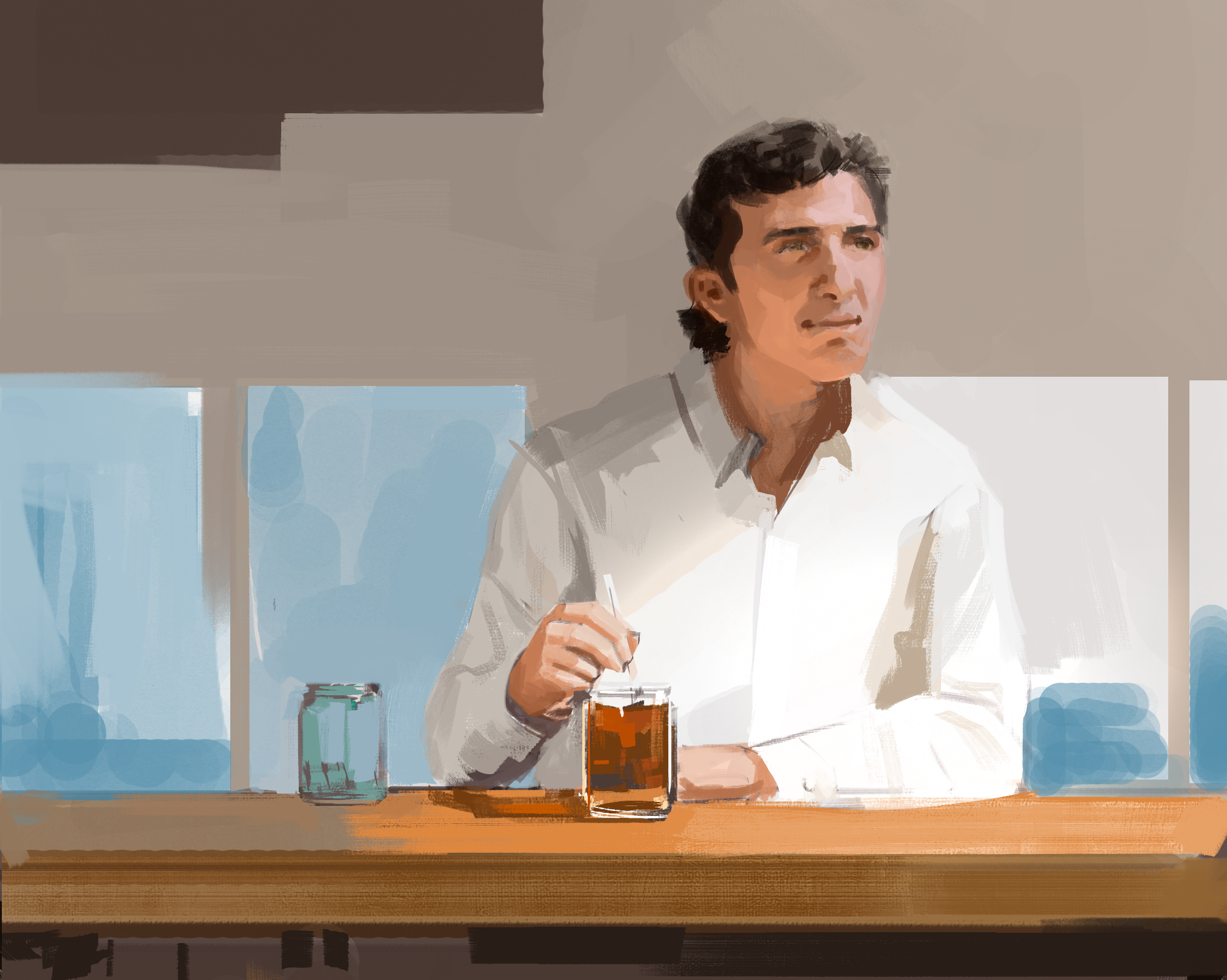
When telling a story visually, the details beneath the surface are often the most important. Context and subtext are what give a narrative its depth and emotional resonance. They shape how an audience feels and what they understand without it ever being explicitly stated.
For filmmakers and creative teams, storyboards are more than just a sequence of images. They are the visual interpretation of those layers, the blueprint for emotional storytelling. Choosing a storyboard artist who truly understands context and subtext can mean the difference between a flat, literal sequence and a compelling story that resonates.
What Are Context and Subtext in Visual Storytelling?
In simple terms:
Context is the environment and situation around the story, the who, where, and when. It answers questions like where is this happening, what are the circumstances, and what is the history or relationship between characters. Context provides the framework in which the story unfolds.
Subtext is what is not said, the emotions, tensions, and motivations lying beneath dialogue or action. It is the story's unspoken heart, often communicated through subtle cues like a glance, a posture, or a pause.
As the Action-Cut-Print article on Text, Subtext, and Context explains, subtext and context are inseparable from good storytelling because they "allow an audience to read between the lines and experience something that feels authentic and layered."
Why Subtext and Context Are Critical in Storyboards
Scripts and written directions rarely cover every nuance. They provide the dialogue and plot but not the emotional texture or unstated motivations that make scenes resonate. A storyboard is the first visual step to flesh out those intangible elements.
For example:
A scene might show a couple sitting together, but is there warmth or tension?
Is a character looking out a window hopeful, or anxious about what is to come?
Does the lighting suggest daybreak or twilight, a fresh start or an ending?
These questions shape how the frame is composed, how characters are posed, and what the camera focuses on. That is the language of subtext and context at work.
Choosing the Right Storyboard Artist
Given the complexity of subtext and context, it is essential to work with a storyboard artist who does not just draw what is on the page but interprets what the story truly needs to say visually.
Someone who understands how body language, environment, and pacing influence narrative tone.
An artist who can translate written or verbal cues into cinematic moments that support the director’s vision.
A collaborator who asks questions, reads the emotional undercurrents, and reflects those through composition and gesture.
This expertise cannot be replaced by generic templates or quick AI-generated visuals. While AI can assist with initial drafts or speed, it cannot reliably understand or apply the nuanced emotional logic that a seasoned artist brings.
The Role of Subtext in Camera Planning and Visual Storytelling
Subtext and context also guide key technical choices. Here are just a few examples:
Shot Selection:
Close-ups reveal subtle emotions and invite intimacy. Wide shots emphasize isolation or environment. Medium shots balance character and setting, showing relationships.Camera Movement:
Slow push-ins heighten tension or emotional intensity. Quick cuts suggest urgency or surprise. Tracking shots follow characters and reveal information dynamically.Lighting and Color:
Harsh shadows can imply danger or mystery. Warm tones suggest safety or nostalgia, while cooler palettes convey detachment or melancholy.
Recurring Visual Motifs:
Repeated imagery like doors can symbolize transition or entrapment and link moments together. Directional choices, such as a villain always entering from the same side, cue audiences subtly about narrative roles.Composition and Framing:
Off-center framing suggests imbalance. Tight framing creates tension, while open space highlights freedom or loneliness.
A storyboard artist fluent in these storytelling tools helps directors and cinematographers visualize the emotional beats before filming starts, saving time, money, and creative friction on set.
Final Thoughts
Every effective story has layers that must be uncovered, visualized, and communicated. The best storyboard artists bring these layers to the surface through their understanding of context and subtext. Not just by drawing scenes but by telling the story’s feel through composition, gesture, and pacing.
If you want visuals that go beyond literal depiction and truly connect with audiences, choosing an artist who understands this depth is key.
If you want to explore how storyboards can bring your script’s hidden layers to life, let’s connect.
📩 Reach out: paul@paultemplestudios.com
🎨 Explore more: www.paultemplestudios.com
Want more blog posts on this topic?
1. Breathing Life Into Your Characters: The Importance of Good Character Design
2. Setting the Emotional Tempo: How Storyboards Shape the Audience’s Experience
3. From Traditional Painting to Preproduction: How Fine Art Roots Shape Visual Storytelling