• Home
  • Film & Games
  • Advertising
  • Super Bowl LVII
  • Clients
  • Blog
  • Contact
Menu

Paul Temple Studios

  • Home
  • Film & Games
  • Advertising
  • Super Bowl LVII
  • Clients
  • Blog
  • Contact
×

Behind the Boards: A Blog by Artist, Paul Temple

Welcome to the blog! Here you'll find insights into the art of storyboarding, concept development, shooting boards, and visual storytelling for film, television, and advertising. From camera planning techniques to the emotional impact of character design, this is where I’ll share my expertise honed over a decade of working with directors and top brands. Whether you're a creative director, filmmaker, or agency looking to elevate your pitch, this blog reveals how powerful visuals drive unforgettable stories.

Questions? Email me at paul@paultemplestudios.com

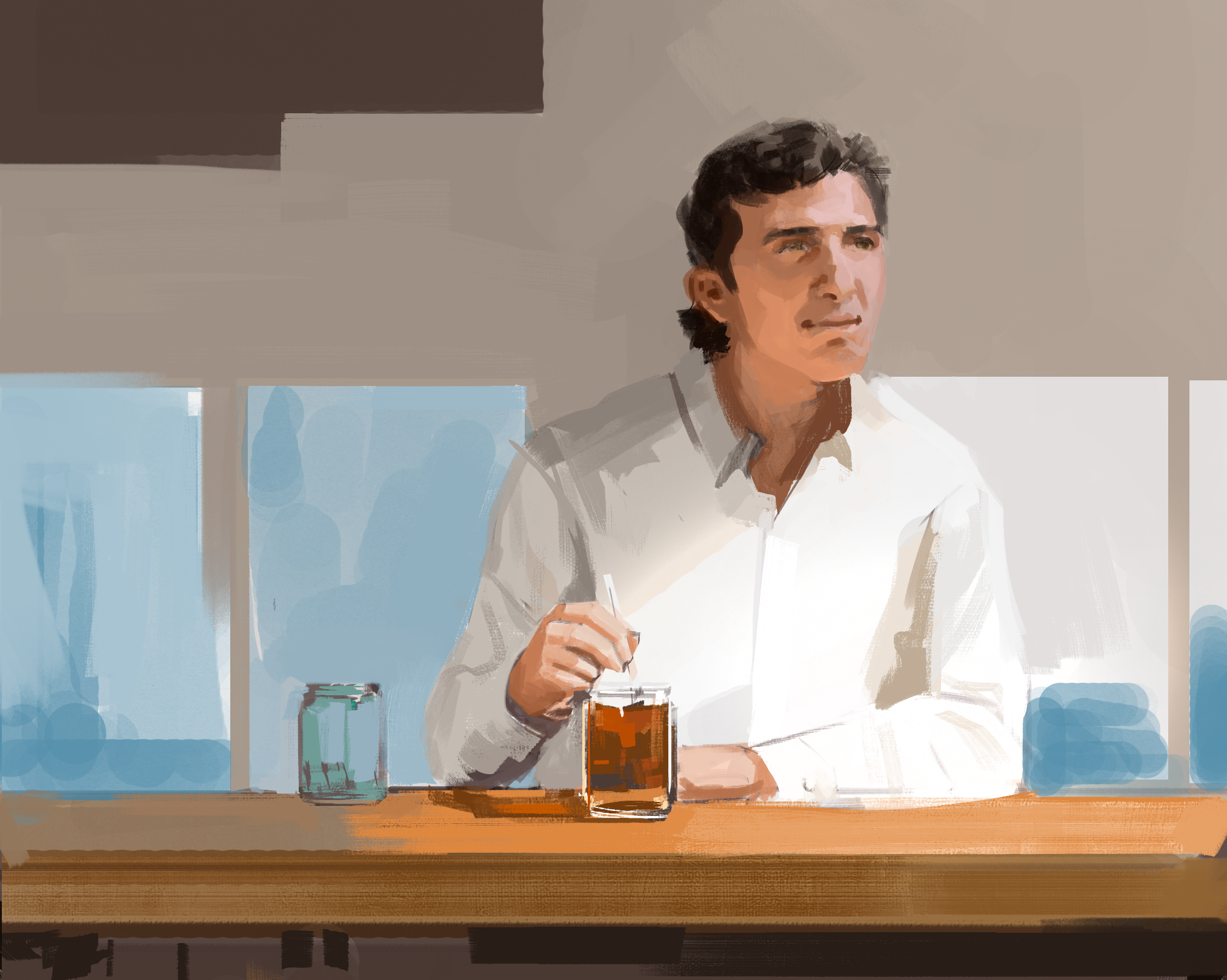
Single storyboard frame from a Marriot Hotels ad pitch. Art by Paul Temple.

Understanding Context and Subtext: Why Choosing the Right Storyboard Artist Matters

Paul Temple July 31, 2025

When telling a story visually, the details beneath the surface are often the most important. Context and subtext are what give a narrative its depth and emotional resonance. They shape how an audience feels and what they understand without it ever being explicitly stated.

For filmmakers and creative teams, storyboards are more than just a sequence of images. They are the visual interpretation of those layers, the blueprint for emotional storytelling. Choosing a storyboard artist who truly understands context and subtext can mean the difference between a flat, literal sequence and a compelling story that resonates.

What Are Context and Subtext in Visual Storytelling?

In simple terms:

  • Context is the environment and situation around the story, the who, where, and when. It answers questions like where is this happening, what are the circumstances, and what is the history or relationship between characters. Context provides the framework in which the story unfolds.

  • Subtext is what is not said, the emotions, tensions, and motivations lying beneath dialogue or action. It is the story's unspoken heart, often communicated through subtle cues like a glance, a posture, or a pause.

As the Action-Cut-Print article on Text, Subtext, and Context explains, subtext and context are inseparable from good storytelling because they "allow an audience to read between the lines and experience something that feels authentic and layered."

Why Subtext and Context Are Critical in Storyboards

Scripts and written directions rarely cover every nuance. They provide the dialogue and plot but not the emotional texture or unstated motivations that make scenes resonate. A storyboard is the first visual step to flesh out those intangible elements.

For example:

  • A scene might show a couple sitting together, but is there warmth or tension?

  • Is a character looking out a window hopeful, or anxious about what is to come?

  • Does the lighting suggest daybreak or twilight, a fresh start or an ending?

These questions shape how the frame is composed, how characters are posed, and what the camera focuses on. That is the language of subtext and context at work.

Choosing the Right Storyboard Artist

Given the complexity of subtext and context, it is essential to work with a storyboard artist who does not just draw what is on the page but interprets what the story truly needs to say visually.

  • Someone who understands how body language, environment, and pacing influence narrative tone.

  • An artist who can translate written or verbal cues into cinematic moments that support the director’s vision.

  • A collaborator who asks questions, reads the emotional undercurrents, and reflects those through composition and gesture.

This expertise cannot be replaced by generic templates or quick AI-generated visuals. While AI can assist with initial drafts or speed, it cannot reliably understand or apply the nuanced emotional logic that a seasoned artist brings.

The Role of Subtext in Camera Planning and Visual Storytelling

Subtext and context also guide key technical choices. Here are just a few examples:

  • Shot Selection:
    Close-ups reveal subtle emotions and invite intimacy. Wide shots emphasize isolation or environment. Medium shots balance character and setting, showing relationships.

  • Camera Movement:
    Slow push-ins heighten tension or emotional intensity. Quick cuts suggest urgency or surprise. Tracking shots follow characters and reveal information dynamically.

  • Lighting and Color:

    Harsh shadows can imply danger or mystery. Warm tones suggest safety or nostalgia, while cooler palettes convey detachment or melancholy.

  • Recurring Visual Motifs:
    Repeated imagery like doors can symbolize transition or entrapment and link moments together. Directional choices, such as a villain always entering from the same side, cue audiences subtly about narrative roles.

  • Composition and Framing:
    Off-center framing suggests imbalance. Tight framing creates tension, while open space highlights freedom or loneliness.

A storyboard artist fluent in these storytelling tools helps directors and cinematographers visualize the emotional beats before filming starts, saving time, money, and creative friction on set.

Final Thoughts

Every effective story has layers that must be uncovered, visualized, and communicated. The best storyboard artists bring these layers to the surface through their understanding of context and subtext. Not just by drawing scenes but by telling the story’s feel through composition, gesture, and pacing.

If you want visuals that go beyond literal depiction and truly connect with audiences, choosing an artist who understands this depth is key.

If you want to explore how storyboards can bring your script’s hidden layers to life, let’s connect.

📩 Reach out: paul@paultemplestudios.com
🎨 Explore more: www.paultemplestudios.com

Want more blog posts on this topic?
1. Breathing Life Into Your Characters: The Importance of Good Character Design
2.
Setting the Emotional Tempo: How Storyboards Shape the Audience’s Experience
3.
From Traditional Painting to Preproduction: How Fine Art Roots Shape Visual Storytelling

In Advertising, Film, Storyboards Tags Storytelling, Subtext, Context, Camera Planning, Storyboards, Storyboard Artist, Shooting boards, Preproduction
Comment

Black and white shooting boards from a Dell Technologies film project directed by Paul Minor. Art by Paul Temple.

See It Before You Shoot It: The Power of Shooting Boards

Paul Temple July 28, 2025

You’ve got the script. You’ve got the vision. But can your crew see it?

Whether you're shooting a short film, a feature, or a music video, clarity in pre-production can make or break your project. One of the most powerful tools in a director's toolkit is also one of the most overlooked: shooting boards.

Unlike generic storyboards, shooting boards are tailored specifically for production, focusing on camera angles, transitions, timing, and shot composition. When used correctly, they streamline communication, save time on set, and keep your entire crew aligned with the cinematic vision.

If you’ve ever asked:

  • “How do I plan my shots efficiently before filming?”

  • “What’s the difference between storyboards and shooting boards?”

  • “How can I communicate my vision to my Director of Photography and production designer?”

    This post is for you.

1. What Are Shooting Boards?

Shooting boards are sequential illustrations that break down each shot of a scene. They go beyond narrative ideas and focus on technical execution. They include:

  • Camera angles and movement

  • Shot type (wide, medium, close-up, over the shoulder, etc.)

  • Blocking and staging

  • Lighting suggestions

  • Frame transitions and timing cues

While traditional storyboards often focus on conveying general visual ideas, shooting boards dig deeper. They’re designed for logistics, planning, and shot execution. They're used heavily in feature films, TV, music videos, and even high-end branded content.

Think of them as the visual blueprint of your shoot.

2. Why Shooting Boards Matter in Film Production

Film is a collaborative medium. Even if the vision starts with the director, it has to be communicated clearly to:

  • The director of photography

  • Production designers

  • Editors

  • Visual effects teams

  • Line producers and ADs

A well-drawn shooting board aligns all departments before anyone hits record. Here’s why that matters:

a. Better Shot Planning

Directors and DPs use shooting boards to walk through the visual rhythm of a scene. You can pre-visualize how shots will cut together, which helps with:

  • Deciding when to move the camera

  • Planning transitions (match cuts, wipes, etc.)

  • Figuring out shot durations

  • Testing visual pacing in action or dialogue-heavy scenes

b. Improved Communication with Crew

Shooting boards help prevent miscommunication on set. Everyone, from the grip to the production designer, sees the same visual target. That means fewer surprises and faster setups.

c. Efficiency on Set

Time is money, especially with tight schedules. When the shot list is visually prepped, the 1st AD can build a shooting schedule that matches your priorities. And when the crew sees the plan ahead of time, things move faster and smoother.

d. Solving Problems Before They Happen

Logistical problems are easier to catch in the pre-production phase. Does a planned camera move require a dolly track or Steadicam? Will you need additional coverage for a dialogue exchange? Shooting boards let you catch that early before you're burning through hours on set.

3. Case Study: Turning a Complex Sequence Into a Shootable Plan

Let’s say you're directing a fight scene in a warehouse. The script reads fast and punchy, but without visual planning, the stunt coordinator, DP, and editor might each imagine the rhythm differently.

By breaking down the sequence into frame-by-frame shooting boards, you can:

  • Define the beginning, middle, and end of the action

  • Plan dynamic camera movements (for example, a whip pan from a punch to a fall)

  • Pre-vis VFX beats like broken glass or sparks

  • Ensure continuity of direction and eye-lines

This helps the entire team lock in the flow before rehearsal and saves you from reshooting pickups later.

4. How Directors Use Shooting Boards on Set

Shooting boards aren’t just for prep. They become the creative compass on set.

You can use them:

  • During camera setup to confirm framing

  • To communicate shot goals to operators or Steadicam

  • As a checklist during coverage

  • To troubleshoot when time runs short (What shots can we drop and still tell the story?)

Many directors keep them close, sometimes even on their phone or tablet, to reference during fast-moving setups. DPs and script supervisors also rely on them to stay synced.

5. The Human Touch Still Matters

While some filmmakers use AI or 3D previs tools, hand-drawn boards still hold value, especially when created by someone with experience in cinematography and storytelling.

An experienced shooting board artist:

  • Understands lens language and camera blocking

  • Draws with the director’s intent in mind (not just cool images)

  • Adds mood, lighting cues, and emotional beats

  • Collaborates to adjust as ideas evolve

That’s the difference between filler frames and a working document that supports the entire production.

6. What to Look for in a Shooting Board Artist

If you're a director, producer, or 1st AD looking for a board artist, consider:

  • Do they have experience with camera planning and production?

  • Can they match the tone of your project (comedy, horror, drama, etc.)?

  • Are they flexible with changes as the vision develops?

  • Can they deliver under tight deadlines?

The best artists bring cinematic thinking into the frame, not just illustration skill.

7. Final Thoughts: Shooting Boards Are an Investment in the Film

Some filmmakers skip shooting boards to save time or budget. But the cost of miscommunication, slow setups, or extra takes often outweighs the small investment upfront.

Shooting boards aren't just drawings. They’re a creative strategy tool. They align the vision, speed up production, and elevate the final cut.

Need Shooting Boards for Your Next Film?

If you're prepping a narrative film, short, or music video and need professional shooting boards, consider working with a storyboard artist who understands the entire production pipeline.

Look for someone who’s fluent in visual storytelling and camera language. Someone who can take your vision and make it frame-ready.

📩 Reach out: paul@paultemplestudios.com
🎨 Explore more: www.paultemplestudios.com

Want more blog posts on this topic?
1. How Shooting Boards Help Indie Filmmakers Compete with Studio Productions
2.
Common Mistakes Directors Avoid with Shooting Boards
3.
What Filmmakers Want from Shooting Boards: Save Time, Money and Communicate Clearly

In Film, Shooting Boards, Advertising
Comment
← Newer

Search Posts


Featured Blog Posts

Featured
Hiring a Storyboard and VisDev Artist: A Step by Step Guide
Jan 7, 2026
Hiring a Storyboard and VisDev Artist: A Step by Step Guide
Jan 7, 2026
Jan 7, 2026
Composition and Control: The Cinematic Science Behind a Great Frame
Nov 3, 2025
Composition and Control: The Cinematic Science Behind a Great Frame
Nov 3, 2025
Nov 3, 2025
Concept Art and Storyboards for Indie Film Crowdfunding
Sep 18, 2025
Concept Art and Storyboards for Indie Film Crowdfunding
Sep 18, 2025
Sep 18, 2025
Breathing Life Into Your Characters: The Importance of Good Character Design
Aug 21, 2025
Breathing Life Into Your Characters: The Importance of Good Character Design
Aug 21, 2025
Aug 21, 2025
 

Latest Blog Posts

Featured
Wisdom In The Work: Bezalel And The Tabernacle
Jan 26, 2026
Wisdom In The Work: Bezalel And The Tabernacle
Jan 26, 2026
Jan 26, 2026
The Value of a Story Partner in Visual Storytelling
Jan 20, 2026
The Value of a Story Partner in Visual Storytelling
Jan 20, 2026
Jan 20, 2026
When Iteration Becomes Overthinking and Hurts Your Story
Jan 12, 2026
When Iteration Becomes Overthinking and Hurts Your Story
Jan 12, 2026
Jan 12, 2026
Hiring a Storyboard and VisDev Artist: A Step by Step Guide
Jan 7, 2026
Hiring a Storyboard and VisDev Artist: A Step by Step Guide
Jan 7, 2026
Jan 7, 2026
Color Theory, Craft, and the Human Eye
Jan 6, 2026
Color Theory, Craft, and the Human Eye
Jan 6, 2026
Jan 6, 2026
The Silhouette Test: Why Character Design Starts with Simple Shapes
Dec 8, 2025
The Silhouette Test: Why Character Design Starts with Simple Shapes
Dec 8, 2025
Dec 8, 2025
The Fake Perfect Trap and Why Lived In Art Wins Every Time
Dec 4, 2025
The Fake Perfect Trap and Why Lived In Art Wins Every Time
Dec 4, 2025
Dec 4, 2025
How Shooting Boards Help Indie Filmmakers Compete with Studio Productions
Dec 2, 2025
How Shooting Boards Help Indie Filmmakers Compete with Studio Productions
Dec 2, 2025
Dec 2, 2025
The Human Element: Why Observation Still Beats AI in Visual Development
Nov 10, 2025
The Human Element: Why Observation Still Beats AI in Visual Development
Nov 10, 2025
Nov 10, 2025
Nov 6, 2025
Studying Light: Lessons from the Masters of Painting
Nov 6, 2025
Nov 6, 2025

© Paul Temple Studios 2012-2025 All Rights Reserved. Unauthorized use of content from this website is prohibited.