• Home
  • Film
  • Advertising
  • Super Bowl LVII
  • Clients
  • Blog
  • Contact
Menu

Paul Temple Studios

  • Home
  • Film
  • Advertising
  • Super Bowl LVII
  • Clients
  • Blog
  • Contact
×

Behind the Boards: A Blog by Artist, Paul Temple

Welcome to the blog! Here you'll find insights into the art of storyboarding, concept development, shooting boards, and visual storytelling for film, television, and advertising. From camera planning techniques to the emotional impact of character design, this is where I’ll share my expertise honed over a decade of working with directors and top brands. Whether you're a creative director, filmmaker, or agency looking to elevate your pitch, this blog reveals how powerful visuals drive unforgettable stories.

Questions? Email me at paul@paultemplestudios.com

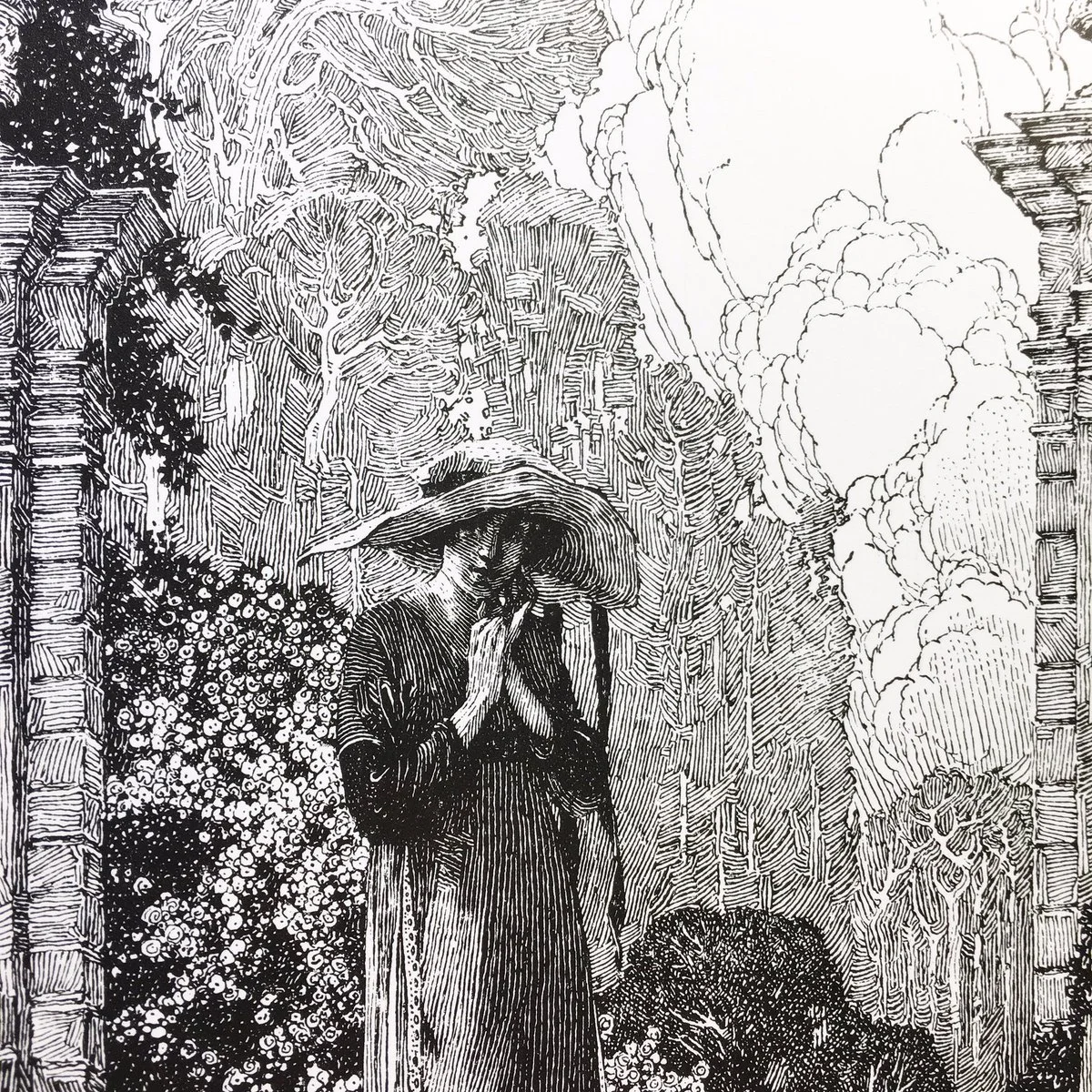
Watercolor by Paul Temple.

Studying Light: Lessons from the Masters of Painting

Paul Temple November 6, 2025

Light is the foundation of every good image. Painters knew that long before film existed. They studied how light wraps around form, how it affects mood, and how it can make something ordinary feel alive. Before cinematographers had cameras or color grading, painters were already experimenting with value, tone, and atmosphere.

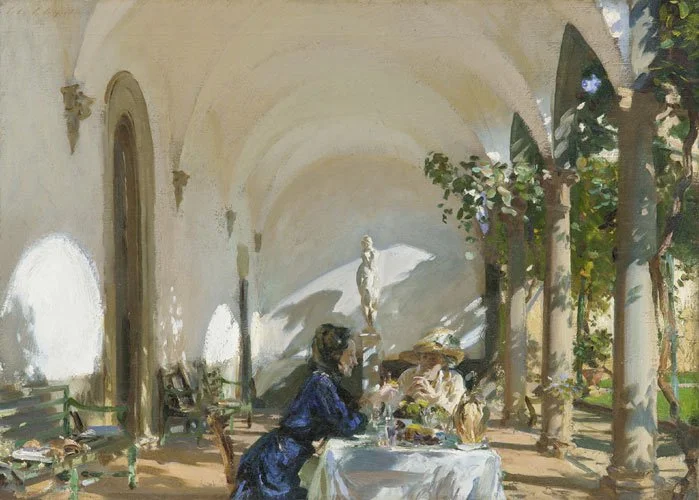
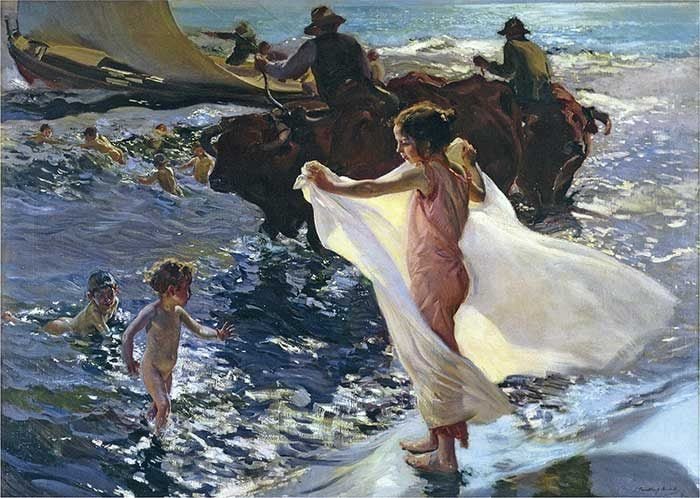
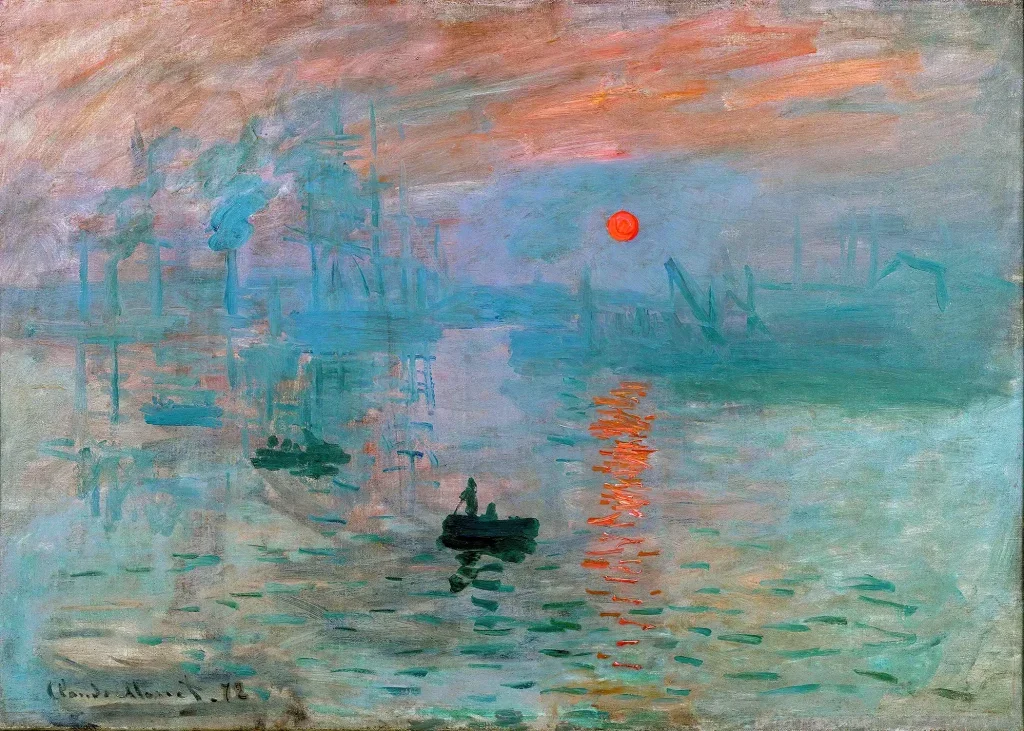
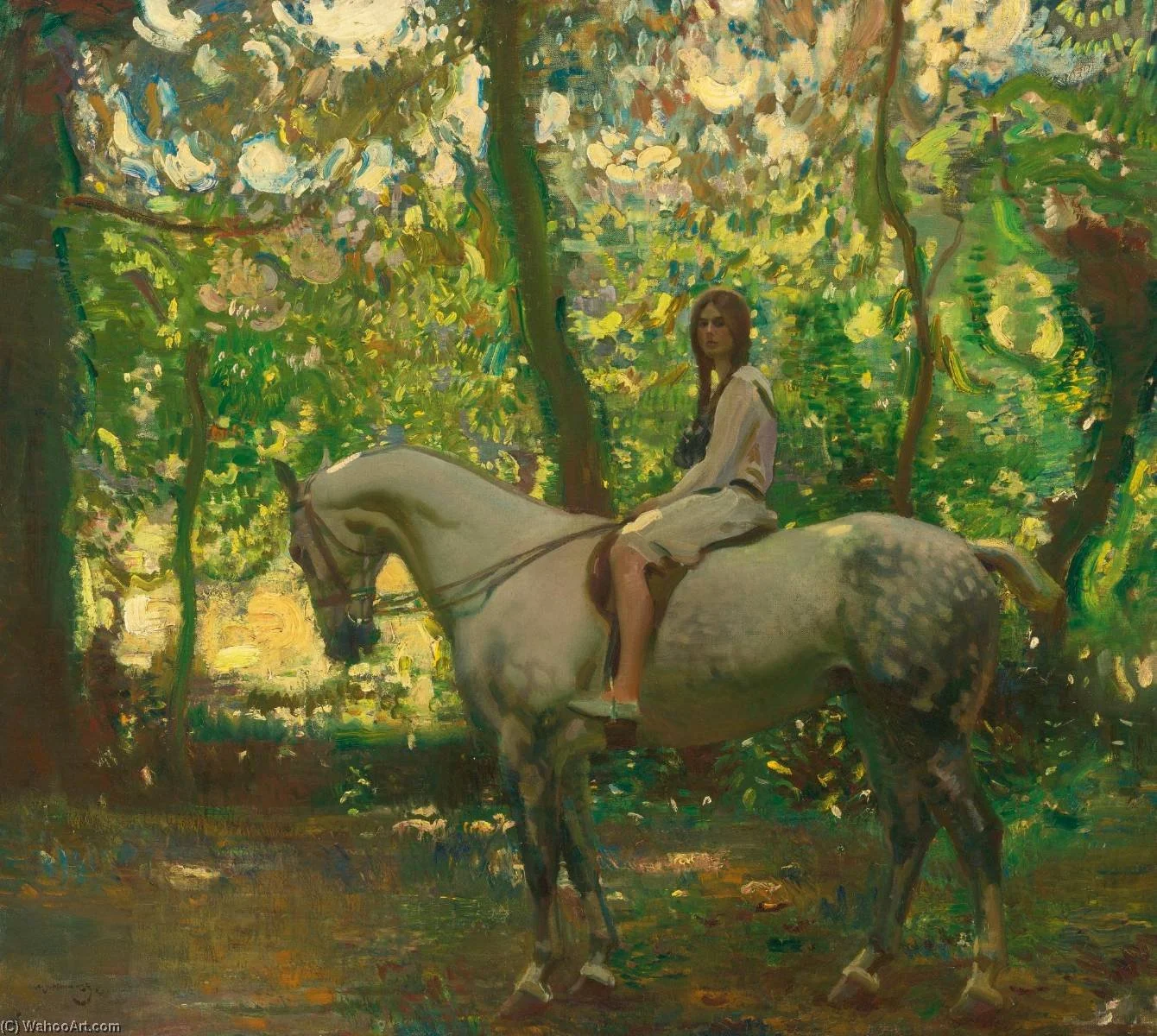
When I study painters who mastered light, I always come back to the same names: John Singer Sargent, Joaquín Sorolla, Claude Monet, and Alfred Munnings. They each had their own approach, but what connected them was their ability to translate light into emotion. They didn’t just record what they saw; they designed it. That is what makes their work feel timeless.

John Singer Sargent

Sargent painted as if light was a sculptural tool. You can see it in the way he built a portrait, blocking in the biggest shapes first and then carving form through subtle value changes. He had an incredible sense of restraint. Nothing was overworked. The softness of an edge or a single flick of highlight across a cheekbone could describe an entire structure. Standing in front of one of his paintings at the Nelson-Atkins Museum in Kansas City, it is easy to forget that you are looking at paint. He created a sense of immediacy that feels alive, almost cinematic.

Joaquín Sorolla

Sorolla worked differently but with the same goal: to capture the experience of light. His paintings of figures on the beach in Valencia are flooded with sunlight. The whites are rarely pure white. They vibrate with warm yellows and cool blues. Shadows are not dead zones; they are filled with reflected color. You can feel the weight of the air and the shimmer of water. That sensitivity to atmosphere is what makes his work so powerful. He was painting not just what light looked like but what it felt like to stand in it.

Claude Monet

Monet took that idea further by studying how light changes over time. He would paint the same cathedral or haystack at sunrise, noon, and dusk, each time chasing a different version of truth. He wasn’t interested in precision but in perception. He painted color relationships, the way a warm sky influences the ground or how mist softens form. That understanding of relative color and temperature has shaped everything from impressionism to modern cinematography.

Alfred Munnings

Munnings, often remembered for his equestrian scenes, brought the same respect for light to movement. His outdoor paintings capture fleeting gestures and moments, yet they always feel structurally sound. Horses gleam with the bounce of sunlight, trees filter light across figures, and the color of dust hangs in the air. Munnings had a deep understanding of form and anatomy, but it was his handling of light that gave his subjects energy and truth.

I have spent years studying these painters, not to imitate them but to understand their thinking. Each one treated light as architecture. It defined everything else. When you paint, you learn that form is only visible because of light. The structure of a face, the curve of an arm, or the mass of a building all depend on how light falls across them. You start to think in values instead of outlines. That mindset transfers directly to film.

In visual storytelling, light still serves the same purpose. It directs the eye, sets the tone, and defines space. A filmmaker uses light the same way a painter does: to build emotion and guide attention. When you look at great cinematographers, you can trace their approach back to painters. Think of Roger Deakins and the way he composes with soft contrast, or Emmanuel Lubezki’s use of natural light in long takes. Both rely on value control, edge variation, and composition that comes straight out of the painter’s toolkit.

Painting trains the eye to simplify. You learn to reduce complex scenes into patterns of light and shadow, to find what really matters. That kind of clarity is essential when designing a sequence for film. Shooting boards, for example, rely on that discipline. A good board artist doesn’t draw everything. They draw only what the audience needs to see. The shapes of light and dark are what make the shot readable, especially in fast-moving action.

When I work on a shooting board, the same lessons apply. Each frame must communicate instantly. It has to make sense to the director, the cinematographer, and the crew, all while serving the story. I often think about how Sargent simplified complexity through light, or how Sorolla used edges to keep energy in a scene. Those ideas carry over directly. The same visual logic that makes a painting feel believable makes a film sequence feel coherent.

Light is also a storytelling device. It defines emotion and rhythm. Painters have always known that. The way light touches a subject changes the entire tone. A face half in shadow suggests mystery. A scene filled with low, warm light feels nostalgic or safe. Harsh overhead light creates tension. These are not just aesthetic choices. They are narrative tools. Painters mastered them first, and filmmakers continue to build on those foundations.

At the Nelson-Atkins Museum, I like to get right up close to a painting and study the brushwork. Up close, it’s often shockingly simple… just one confident swipe of paint for a nose. Then you step back, and suddenly it all makes sense. That mix of looseness and control is exactly what I aim for in visual development.

Painters like Sargent and Monet were essentially doing what filmmakers do now. They observed life, analyzed how light behaved, and then used that knowledge to tell a story through visual choices. They were designers of reality, shaping it to make it feel more true. The better you understand their methods, the better you can control mood and meaning in film.

In both painting and film, the real craft lies in subtlety. Most people watching a movie won’t consciously think about the light, but they will feel it. Just as someone standing in front of a Sargent portrait feels the presence of the sitter without knowing why, a movie audience senses tension, warmth, or isolation through lighting choices that were carefully planned.

Years of traditional study taught me that good lighting is about restraint. You do not need to show everything. You need to reveal just enough. Painters knew this instinctively. They let the viewer’s eye do some of the work. The same is true in film. A frame that shows too much loses focus. A frame that controls value relationships pulls the viewer exactly where you want them to look.

That control of attention is what makes a sequence readable and emotionally strong. Whether it is a single painted portrait or a fast-cut action scene, the principle is the same: light shapes meaning.

I often encourage younger entertainment artists to study classical painting, not just film frames. The old masters figured out every visual problem we still face today. How to show form. How to use color temperature to create depth. How to balance composition so the eye flows naturally through the scene. Once you learn those lessons from paint, you start to see them everywhere… in photography, in animation, in cinema.

The longer I work in this field, the more I realize that painting is the purest form of visual problem-solving. It strips away dialogue, editing, and movement and leaves you with only value, color, and shape. If you can tell a story with those, you can tell it anywhere.

Studying painters like Sargent, Sorolla, Monet, and Munnings isn’t about nostalgia. It is about keeping craftsmanship alive. They built the foundation that all visual storytellers still rely on. Every time I paint or draw a sequence, I am applying what they discovered centuries ago… how light reveals truth, form, and emotion.

Light is both science and poetry. It obeys physics but expresses feeling. The more you study it, the more you realize how much it controls everything we see and feel in an image. That is what connects fine art and film at the deepest level. They both depend on the same language of light.

📩 Reach out: paul@paultemplestudios.com
🎨 Explore more: www.paultemplestudios.com

Want more blog posts on this topic?
1. From Traditional Painting to Preproduction: How Fine Art Roots Shape Visual Storytelling
2.
How Classical Painting Shaped Modern Filmmaking
3.
Carrying the Legacy of Film Illustrators Forward

In Traditional Painting
Comment

Concept art for an unreleased film project. Art by Paul Temple.

How Classical Painting Shaped Modern Filmmaking

Paul Temple October 22, 2025

Modern filmmaking moves fast. Too fast, sometimes. Everyone wants to shoot, render, composite, and post before the coffee cools. But the truth is, emotional storytelling has not evolved nearly as much as the tools have. Human emotion is still built from the same visual cues it was five hundred years ago. Light, shadow, gesture, and composition. The difference is, painters took the time to study them.

Filmmakers, especially directors and storyboard artists, can still learn a lot from classical art. Painters like Caravaggio, Vermeer, and Sargent understood how to make a single frozen moment pulse with life. That is the same goal of every storyboard frame and film shot. If you can design emotion in stillness, you can control it in motion.

The Frame as a Painting

Every shot in a film is a frame. And every frame can be read like a painting. Classical artists worked with a deep awareness of how the viewer’s eye moves through an image. Nothing in their compositions was accidental. A strong diagonal might lead your eye toward a tragic figure. A vertical composition could make the subject feel noble or distant. A circular arrangement might make the scene feel enclosed and intimate.

In filmmaking, this same control applies. A storyboard artist who understands compositional language can influence the emotional tone before a single camera rolls. Is the viewer supposed to feel empathy, tension, or fear? Those answers are built into the visual hierarchy.

When I design boards, I think about light and shape before detail. If the shapes read clearly, the mood will follow. A character placed in shadow against a glowing environment is about isolation. A character lit from below might suggest danger. These visual relationships are timeless.

Caravaggio and the Power of Contrast

Caravaggio painted light like it was an actor. His chiaroscuro technique created drama out of the simplest gestures. The light always had purpose, cutting through darkness with surgical precision. Filmmakers use the same language. Hard light creates danger. Soft light creates intimacy.

The next time you’re blocking a scene, look at how Caravaggio handles direction and source. His figures emerge from blackness like revelations. The viewer’s eye has no choice but to follow. That same sense of control is what cinematographers and storyboard artists chase when they design key frames.

If every element of your image competes equally for attention, emotion gets lost. Caravaggio understood restraint. The black areas of his paintings are just as important as the lit ones. The same goes for filmmaking. A good storyboard knows when to let a moment breathe and when to hold back.

Sargent and the Gesture of Truth

John Singer Sargent painted people the way great actors perform. His brushwork was confident, but what he really captured was gesture. Every tilt of the head, every relaxed hand or tense shoulder told a story.

Modern filmmakers can take a lesson from that. Acting is not just dialogue. It is shape and motion. When I draw characters for a board, I think of Sargent’s quick economy. One confident line can describe more emotion than a dozen overworked ones. The same applies in live action. A director who understands gesture will get stronger performances because they see what emotion looks like, not just what it sounds like.

Storyboard artists sit at that intersection between drawing and performance. We translate scripts into human movement. The better we understand anatomy and gesture, the more believable those emotions become. A single frame can convey pride, fear, love, or exhaustion through posture alone.

Vermeer and the Quiet Moment

Not every emotional beat in a film needs to be loud. Vermeer mastered the quiet moments. His subjects were often caught between actions: a woman reading a letter, a musician pausing mid-note, sunlight creeping across a wall. There was tension in the stillness because everything in the frame supported that pause.

Filmmakers tend to chase momentum. Every shot pushes to the next, every cut promises action. But silence is powerful when it is composed intentionally. Vermeer knew how to hold attention through restraint. His light was directional but patient. His compositions were structured yet soft.

As a storyboard artist, I often remind myself that not every frame needs to shout. Some need to listen. A quiet scene, properly composed, gives the audience a moment to feel. In an age of rapid editing and digital spectacle, those moments are rare and valuable.

Classical Discipline Meets Digital Speed

Digital tools have changed everything about how we produce visual art, but not what makes it effective. It is easier than ever to create an image. It is harder than ever to make one that feels true. The discipline of classical art gives modern filmmakers an advantage in that chaos.

When you study traditional composition, you learn to think in layers. Foreground, midground, background. You learn rhythm and balance. You learn how color temperature affects emotion. These are not old-fashioned ideas. They are the foundation of every effective visual story.

Technology should serve those principles, not replace them. Whether I am storyboarding for a film or designing concept art in Photoshop or Unreal, I rely on the same classical structure. I block in the big shapes first, define the light source, then refine. A computer can speed that process up, but it cannot replace the eye that sees meaning in those shapes.

Why Emotion is a Design Problem

A lot of people think emotion just happens on set. That it emerges naturally from the actor’s performance or the music or the writing. But emotion is a design problem. It comes from control. You design the viewer’s experience through every decision that leads up to that moment.

Classical painters were emotional architects. They understood how to build a picture that would make a viewer feel awe, sadness, or compassion. That is what a director or storyboard artist must do for the screen.

The difference is motion. Film gives you time as an extra tool. But the emotional mechanics remain the same. The right gesture, the right light, the right angle. They all work together to tell the audience what to feel before a single line of dialogue is spoken.

When you look at a great film sequence, you can often freeze any frame and find a strong composition underneath. That is not an accident. It is the same craftsmanship that painters practiced for centuries.

Learning from the Masters

Filmmakers and storyboard artists can benefit from studying classical art, not just looking at it. Go beyond the surface. Analyze how the artist constructed the image. Ask what they left out. Learn to read the picture like a director reads a scene.

Here are a few ways to study classical art through a filmmaker’s lens:

  1. Composition analysis. Break down how your eye moves through the painting. Track the shapes, not the details.

  2. Lighting studies. Recreate classical lighting in a digital environment or on a storyboard. Observe how light defines mood.

  3. Gesture drawing. Study anatomy and movement through quick sketches. These train your hand and brain to communicate emotion efficiently.

  4. Value structure. Strip an image down to black, white, and gray. The best compositions read clearly even without color.

  5. Emotional intent. Ask yourself what the artist wanted you to feel. Then identify which visual elements made that happen.

The point is not to copy classical art, but to understand its systems. Once you internalize those visual laws, you can break them with purpose.

The Human Factor

In an industry increasingly shaped by digital automation, it is tempting to believe that emotional storytelling can be generated. But software cannot feel. It can only approximate patterns it has seen before. Classical art teaches you to see like a human. It trains empathy, not just technique.

A painter spends hours observing real light and real people. They notice the slight tension in a hand, the way color bounces between skin tones, or how a shadow deepens the mood of a scene. That kind of attention to life is what great filmmakers bring to their work.

AI can replicate a look. It cannot replicate intent. A film succeeds when every visual choice has purpose. That purpose comes from a human who understands why an image works, not just how to make one.

Closing the Loop

Modern directors and storyboard artists are the inheritors of classical craftsmanship. The medium has changed, but the language is the same. We are still painting with light, shape, and gesture. The best filmmakers are not just technicians. They are painters with cameras, sculptors of time.

Every great cinematic moment starts as a visual idea, a design of emotion. Whether that design happens on a sketchpad or a tablet, it carries the DNA of centuries of visual thought. Classical art is not just history. It is the foundation of everything we do when we try to make an audience feel something real.

If you want to design emotion, study the masters who did it before film even existed. The tools have changed, but the eye has not.

📩 Reach out: paul@paultemplestudios.com
🎨 Explore more: www.paultemplestudios.com

Want more blog posts on this topic?
1. From Traditional Painting to Preproduction: How Fine Art Roots Shape Visual Storytelling
2.
Carrying the Legacy of Film Illustrators Forward

In Film, Traditional Painting
Comment

Carrying the Legacy of Film Illustrators Forward

Paul Temple August 25, 2025

When I sit down to create a frame for a film project, I never feel like I am working in isolation. I am always aware that I am stepping into a long tradition of artists who shaped cinema. Storyboard and concept artists have always been the bridge between an idea and its realization on screen. That is true today, and it was just as true when the early visionaries of visual storytelling set the standards that still guide us.

Film illustration has always thrived in the space between vision and execution. Long before cameras rolled, illustrators helped directors see what their films might become. They tested compositions, designed characters, and created worlds where none yet existed. Their drawings were not decoration. They were blueprints for production, emotional roadmaps for actors, and a director’s first opportunity to “see” a film before it was made.

Some names stand out in this tradition. Iain McCaig, James Gurney, and Syd Mead each brought something distinctive to the craft. They represent different branches of the same tree, but the roots are shared. When I study their work, I find lessons that I carry directly into my own practice as a storyboard and concept artist.

Iain McCaig: Storytelling Through Character

Star Wars character designs by Iain McCaig.

McCaig is best known to a broad audience for designing characters like Darth Maul and Padmé Amidala in the Star Wars prequels, but his influence extends far beyond those iconic designs. What has always struck me is how his drawings capture the human core of a story. His characters never feel like static designs. They live. They think. They hold secrets. His ability to suggest narrative in a single pose or gesture is something I aspire to in my own frames.

When I am drawing a storyboard sequence or piece of concept art, I try to carry forward that emphasis on character-driven storytelling. It is not enough for a shot to be technically clear. It has to breathe with the inner life of the characters. A figure leaning against a doorframe can tell us volumes about hesitation, defiance, or sorrow. McCaig’s example reminds me that every storyboard is not just about framing a camera move, but about revealing humanity in action.

James Gurney: Worldbuilding With Believability

Dinotopia concept art by James Gurney.

James Gurney might be most famous for Dinotopia, but to me he represents a masterclass in worldbuilding. He took the impossible idea of humans coexisting with dinosaurs and made it believable through a painter’s eye for light, atmosphere, and detail. His technique grounded fantasy in reality. Viewers could imagine walking into his painted worlds because they were rendered with the discipline of an observational artist.

That commitment to believability resonates with the work I do in film. Whether I am sketching a cramped apartment interior or a sweeping alien landscape, the goal is the same: to make the world feel lived-in. I focus on small details that anchor a scene, like the clutter of objects on a desk or the way a horizon softens in haze. These are not just aesthetic flourishes. They are cues that allow a viewer to suspend disbelief. Gurney’s legacy is a reminder that even the most fantastic storyboards need a scaffolding of reality.

Syd Mead: Designing the Future

Blade Runner concept art by Syd Mead.

Syd Mead’s work redefined how we imagine technology and the future. His designs for Blade Runner, Tron, and countless other projects gave us a vision of worlds shaped by machines, neon, and concrete. What made his work so powerful was not just technical precision, but a sense of plausibility. He imagined futures that felt both alien and inevitable.

I often think about Mead’s approach when I am tasked with visualizing environments that have not yet been built. Whether it is an experimental set design or a digital world that will only exist in post-production, I approach it with the same question Mead asked: what would it feel like to live here? That question shifts a drawing from abstraction into experience. His legacy pushes me to think not only about form, but about atmosphere, weight, and the rhythm of daily life in these imagined spaces.

Technique as Inheritance

Each of these artists worked in different corners of the industry, but their techniques are part of the inheritance of anyone working in film illustration today. McCaig taught us the importance of character and gesture. Gurney demonstrated how to make the extraordinary believable. Mead showed us how design could shape culture’s vision of the future.

I carry those lessons into every storyboard and concept painting. I pay attention to line weight because a heavier contour can ground a figure, while a lighter one can suggest fragility. I use compositional diagonals to pull a viewer’s eye into a frame. I think carefully about where to leave a drawing unfinished, because suggestion can be more powerful than explicit detail. These are not just technical decisions. They are echoes of a long conversation that illustrators have been having for decades about how best to translate thought into image.

Why the Legacy Matters

Some might ask why this lineage is important in an age when digital tools can create entire worlds at the push of a button. My answer is simple: tools are only as good as the hands that guide them. The illustrators I admire did not rely on shortcuts. They relied on observation, discipline, and an ability to communicate. Those qualities remain the foundation of the work today.

When I draw, I am not competing with history. I am in dialogue with it. The sketch that goes down on my paper is informed by Mead’s futuristic discipline, Gurney’s painterly realism, and McCaig’s gift for character. But it is also shaped by my own sensibilities, my own way of seeing. That is how traditions evolve. We do not preserve them by imitation, but by extending them into the present.

Looking Ahead

The role of the illustrator in film is changing, but it is not disappearing. In fact, the demand for clarity of vision has only grown. Directors and production designers still need someone to translate a script into a visual roadmap. They still need someone who can suggest emotion, atmosphere, and pacing in a way that a line of text never could.

When I look at the frames on my desk, I see them as part of this larger continuum. Each drawing is a conversation across time. McCaig, Gurney, and Mead left us examples of how to capture character, build worlds, and envision the future. I try to honor those lessons by applying them to the stories of today.

In the end, illustration for film is about trust. A director trusts me to show them what their film might look like before it exists. An audience trusts the images to carry them into a story. And I trust the tradition of artists who came before me, knowing that their techniques, honed across decades, still guide the pencil in my hand.

📩 Reach out: paul@paultemplestudios.com
🎨 Explore more: www.paultemplestudios.com

Want more blog posts on this topic?
1. Breathing Life Into Your Characters: The Importance of Good Character Design
2.
World-Building: The Art of Making Environments Feel Alive
3.
From Traditional Painting to Preproduction: How Fine Art Roots Shape Visual Storytelling

In Film, Traditional Painting, Storyboards, Concept Art Tags concept art, film, character design, storyboards, storyboard artist, cinematographer, art design
Comment
Concept art for Firelight Creative’s “Eden’s Twilight” film project. Art by Paul Temple

Concept art for Firelight Creative’s “Eden’s Twilight” film project. Art by Paul Temple

From Traditional Painting to Preproduction: How Fine Art Roots Shape Visual Storytelling

Paul Temple August 4, 2025

If you’re searching for a storyboard artist, shooting board illustrator, or concept artist who brings a rich artistic foundation to your project, understanding how traditional painting techniques influence visual storytelling can make all the difference.

Before creating storyboards and concept art, many artists begin with classical training in traditional painting and drawing. This foundation is key to crafting compelling visuals that communicate emotion, narrative, and character, whether for film, commercials, or animation.

Why Classical Art Skills Matter in Storyboarding and Concept Art

Master artists like John Singer Sargent, Joaquín Sorolla, and Frank Munnings mastered the art of capturing light, form, and gesture in ways that tell stories beyond words. Their work has had a deep influence on my own approach to storyboarding and illustration, shaping how I think about visual storytelling and the emotional power of each frame.

Storyboards and concept art are not just about drawing what’s written in a script. They require visual interpretation of mood, pacing, and emotional subtext. Fine art training gives artists the tools to translate abstract story elements into concrete images that resonate on a deeper level.

A skilled storyboard artist uses principles from fine art to design frames that guide the viewer’s eye, establish mood, and convey character motivation. This ensures that every shooting board or concept sketch serves both creative and practical production needs.

The Pillars of Fine Art in Storyboarding: Composition, Lighting, and Gesture

Composition

Composition is the arrangement of elements within the frame to create a balanced, visually engaging image that supports the story. Classical painters like Sargent and Sorolla meticulously composed their works to lead the viewer’s eye exactly where they wanted.

In storyboarding, composition helps direct attention to key actions or emotional beats. Effective compositions avoid clutter, use negative space intentionally, and employ the rule of thirds or other classical compositional principles. This careful framing helps the production team understand what’s important in each shot and how it fits into the overall narrative.

Lighting

Lighting is one of the most powerful storytelling tools. Joaquín Sorolla’s paintings showcase his mastery of natural light, using it to create mood, depth, and drama. His handling of sunlight and shadow adds emotional nuance that draws the viewer in.

In storyboards, lighting is used to communicate time of day, atmosphere, and tension. A scene lit with harsh shadows might suggest danger or mystery, while soft, warm light can imply safety or nostalgia. Skilled storyboard artists use lighting cues to inform directors and cinematographers of the intended visual tone.

Gesture

Gesture refers to the body language and posture of characters within the frame. The subtle bend of a wrist, the tilt of a head, or the tension in a hand can all convey what a character is thinking or feeling without words.

Artists like John Singer Sargent were masters at capturing gesture, making their subjects feel alive and dynamic. In storyboarding and character design, gesture is key to creating believable, expressive figures that communicate narrative through movement and stance.

Applying Traditional Techniques in Fast-Paced Production Environments

Modern production schedules demand speed without sacrificing quality. Storyboards and shooting boards often need to be completed under tight deadlines with multiple revisions.

Artists with a foundation in classical painting are able to work efficiently because they understand the essentials of form, light, and composition deeply. This allows them to sketch with confidence and purpose, capturing the essence of a scene quickly without losing emotional impact.

In addition, traditional skills help concept artists develop characters and environments that feel authentic and grounded. Understanding anatomy, light, and texture speeds up design decisions and improves communication with directors, producers, and other creatives.

The Role of Traditional Art in Character Design and Concept Illustration

Character design requires a balance between creativity and realism. Fine art training equips artists with the ability to create believable anatomy and expressive features while adding unique personality.

Concept art often involves building entire worlds visually from scratch. Artists who know how to manipulate light, texture, and perspective with classical techniques can create environments that feel immersive and believable.

Both roles benefit immensely from traditional skills because these fundamentals enable clear storytelling through visuals. Whether designing a heroic stance or a shadowy alleyway, the artist’s knowledge of classic painting methods helps tell the story at a glance.

The Unique Value of Hand-Crafted Storyboards and Concept Art

In a world dominated by digital tools and fast production, hand-crafted storyboards and concept art offer a tactile authenticity that digital shortcuts cannot match.

The brush strokes, pencil lines, and shading found in traditional artwork bring warmth and life to images, making storyboards feel more engaging. This emotional resonance helps directors, producers, and clients connect with the story before filming even begins.

Artists like Sorolla and Sargent remind us that art’s power lies in evoking emotion and narrative through subtle visual cues. Storyboards rooted in these traditions ensure the creative vision is communicated clearly and effectively.

Choosing the Right Storyboard or Concept Artist

When hiring a storyboard artist, shooting board illustrator, or concept artist, look for someone with a strong foundation in traditional art techniques. These skills translate directly into better storytelling and clearer communication on set.

Ask to see portfolios that demonstrate an understanding of composition, lighting, and gesture. A well-rounded artist will show not only technical skill but also an ability to capture mood and character through their visuals.

Final Thoughts

Storyboarding and concept art are vital storytelling tools in film, animation, and commercial production. The timeless lessons of classical painting provide a crucial foundation for creating visuals that are expressive, clear, and emotionally impactful.

Whether you need shooting boards that guide your production or character designs that bring your story to life, traditional art skills remain invaluable in crafting compelling visual narratives.

📩 Reach out: paul@paultemplestudios.com
🎨 Explore more: www.paultemplestudios.com

Want more blog posts on this topic?
1. Studying Light: Lessons from the Masters of Painting
2.
How Classical Painting Shaped Modern Filmmaking
3.
Carrying the Legacy of Film Illustrators Forward

In Traditional Painting, Concept Art, Film
Comment

Search Posts


Featured Blog Posts

Featured
Composition and Control: The Cinematic Science Behind a Great Frame
Nov 3, 2025
Composition and Control: The Cinematic Science Behind a Great Frame
Nov 3, 2025
Nov 3, 2025
Storyboards and Cinematography: Speaking the Same Language
Sep 25, 2025
Storyboards and Cinematography: Speaking the Same Language
Sep 25, 2025
Sep 25, 2025
Concept Art and Storyboards for Indie Film Crowdfunding
Sep 18, 2025
Concept Art and Storyboards for Indie Film Crowdfunding
Sep 18, 2025
Sep 18, 2025
Breathing Life Into Your Characters: The Importance of Good Character Design
Aug 21, 2025
Breathing Life Into Your Characters: The Importance of Good Character Design
Aug 21, 2025
Aug 21, 2025
 

Latest Blog Posts

Featured
The Silhouette Test: Why Character Design Starts with Simple Shapes
Dec 8, 2025
The Silhouette Test: Why Character Design Starts with Simple Shapes
Dec 8, 2025
Dec 8, 2025
The Fake Perfect Trap and Why Lived In Art Wins Every Time
Dec 4, 2025
The Fake Perfect Trap and Why Lived In Art Wins Every Time
Dec 4, 2025
Dec 4, 2025
How Shooting Boards Help Indie Filmmakers Compete with Studio Productions
Dec 2, 2025
How Shooting Boards Help Indie Filmmakers Compete with Studio Productions
Dec 2, 2025
Dec 2, 2025
The Human Element: Why Observation Still Beats AI in Visual Development
Nov 10, 2025
The Human Element: Why Observation Still Beats AI in Visual Development
Nov 10, 2025
Nov 10, 2025
Nov 6, 2025
Studying Light: Lessons from the Masters of Painting
Nov 6, 2025
Nov 6, 2025
Composition and Control: The Cinematic Science Behind a Great Frame
Nov 3, 2025
Composition and Control: The Cinematic Science Behind a Great Frame
Nov 3, 2025
Nov 3, 2025
Shooting Boards for Action Scenes: Why Every Great Action Scene Starts on Paper
Oct 30, 2025
Shooting Boards for Action Scenes: Why Every Great Action Scene Starts on Paper
Oct 30, 2025
Oct 30, 2025
World-Building: The Art of Making Environments Feel Alive
Oct 27, 2025
World-Building: The Art of Making Environments Feel Alive
Oct 27, 2025
Oct 27, 2025
How Classical Painting Shaped Modern Filmmaking
Oct 22, 2025
How Classical Painting Shaped Modern Filmmaking
Oct 22, 2025
Oct 22, 2025
Common Mistakes Directors Avoid with Shooting Boards
Oct 8, 2025
Common Mistakes Directors Avoid with Shooting Boards
Oct 8, 2025
Oct 8, 2025

© Paul Temple Studios 2012-2025 All Rights Reserved. Unauthorized use of content from this website is prohibited.