
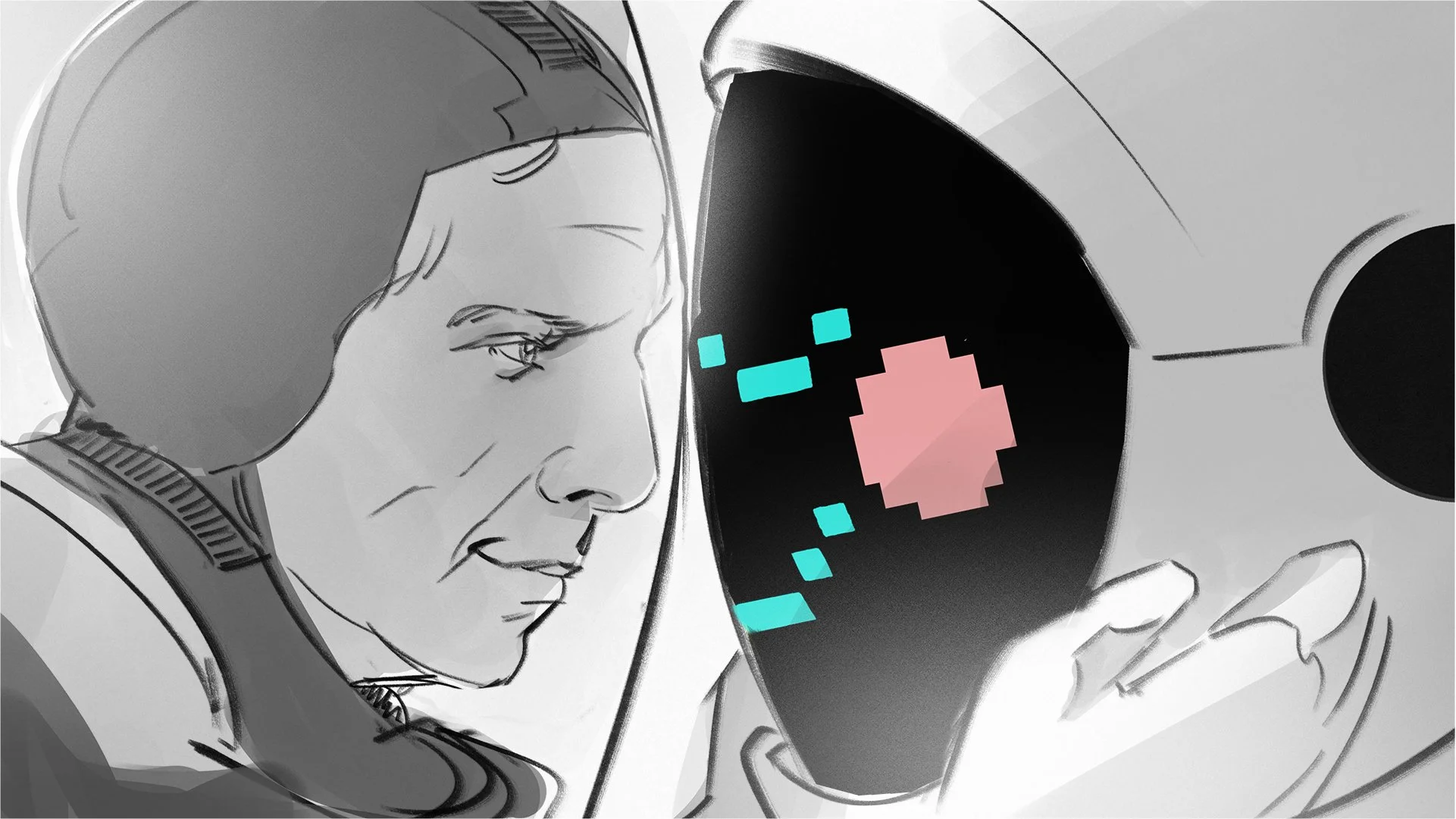
One of the questions I get fairly often from directors and art directors is: “Once the storyboards are approved, how locked in are we? If things change during production, can the storyboard artist actually help us adapt quickly, or are we going to waste a lot of time and money with major revisions?”
It is a smart and practical question. The truth is, storyboards are not final blueprints. They are flexible visual guides. A good storyboard artist plays a key role in helping productions adapt when changes inevitably come. Mistakes, limitations, and unexpected problems are normal parts of the creative process. Whether you are directing a feature film, shooting a commercial, or developing visuals for a campaign, things rarely go exactly according to plan. The difference between good work and great work often comes down to how well you, and your storyboard artist, adapt when reality does not match the original vision.
A Lesson From the Pantheon
A classic example of this happened during the construction of the Pantheon in Rome. The massive granite columns were quarried in Egypt and shipped across the Mediterranean. When they finally arrived, they were shorter than ordered. Emperor Hadrian had a choice: send them back and wait years for replacements, or figure out a way to make them work. He chose to build. The team adjusted the portico design on the spot. The pediment sits a bit lower than originally intended and the proportions are not exactly what was planned. Yet two thousand years later people still travel from around the world to stand in awe of it. The Pantheon is considered one of the most perfect buildings ever constructed, even with the adjustment.
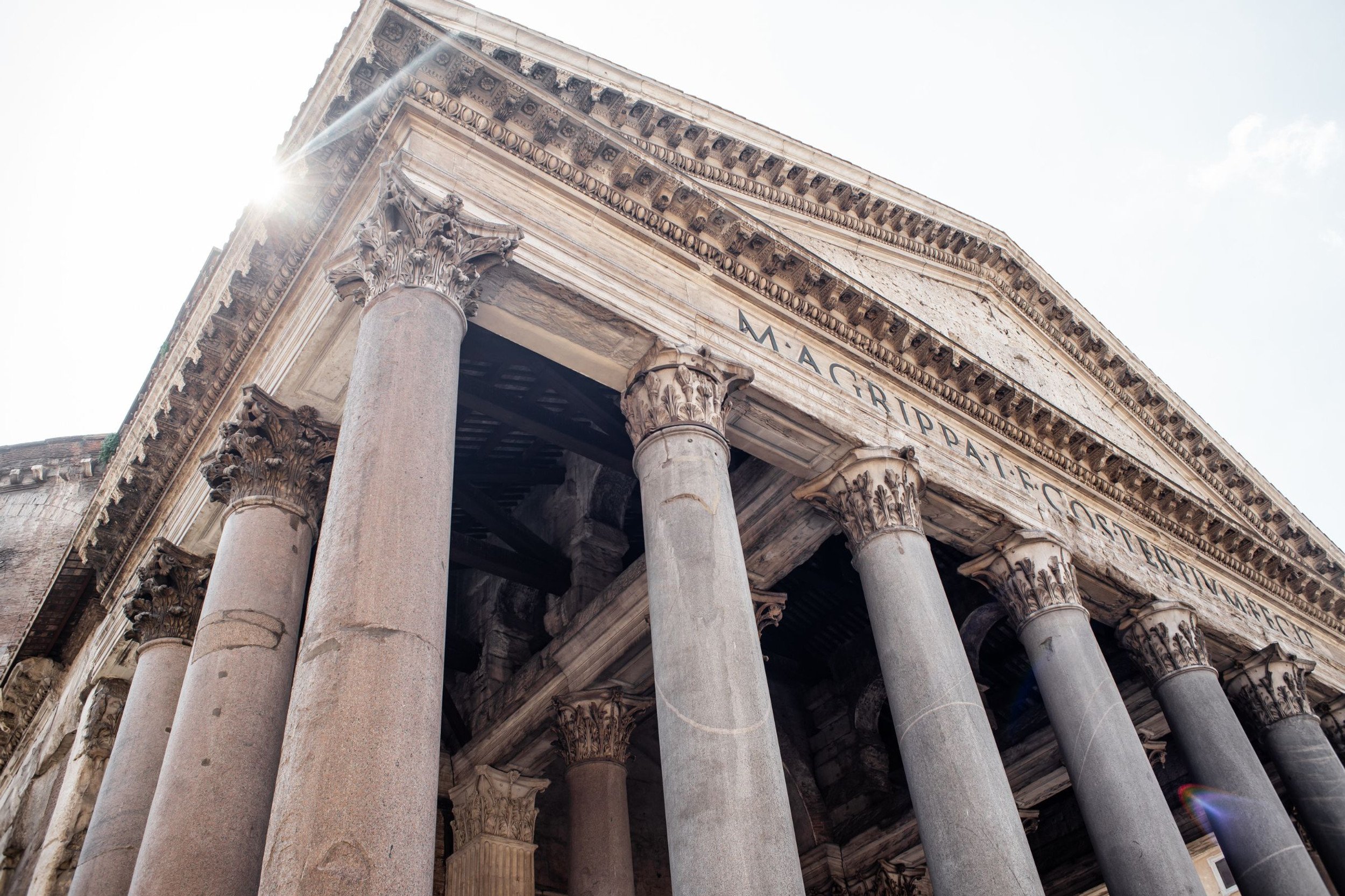
Photo of the Pantheon in Rome.
That story gives me a lot of comfort as a storyboard artist and visual development artist. It reminds me that even the greatest projects deal with unexpected problems. Smart adaptation often leads to something better than the original plan.
In film and advertising pre-production, surprises are basically guaranteed. References do not match the location. Budgets shift. Client notes come in late. Actors change. These things happen on nearly every project.
Adjusting on the Fly in Pre-Production
Early in a project I try to plan as thoroughly as possible, but I always leave room for changes. Client feedback and budget adjustments are a normal part of pre-production, and they often require quick thinking and redraws.
For example, I once boarded a Super Bowl Pepsi Zero Sugar commercial featuring Ben Stiller. The boards were already well along when we got notes that Ben wanted to make sure his “good side” was showing in the shots. That small preference completely changed the blocking and staging of several key scenes. I had to go back and redraw large portions of the shooting boards to accommodate the new angles while still keeping the energy and timing intact. It was honestly pretty cool knowing that Ben Stiller had actually looked at the boards. Making those adjustments felt like an honor, and the final version worked better because of them.
In feature work and other commercial projects, I regularly rework sequences based on client feedback, revised scripts, or new budget realities. What looked strong in the first round of boards sometimes needs a full rethink once practical constraints come in. Those are exactly the moments when experienced visual development and storyboard skills become most valuable. You can explore new options quickly, present clear alternatives, and keep the project moving forward without losing the heart of the story.
Practical Steps When Problems Hit
When something goes sideways in pre-production, here are some practical things I recommend directors and producers do:
Identify what actually matters. Ask yourself: What is the emotional core or main story point of this scene? Protect that first. Everything else is negotiable.
Get the right people in the room quickly. A short call with key decision makers and the storyboard artist can solve problems faster than long email chains.
Ask for options instead of opinions. Request two or three specific versions focused on different solutions. This helps the artist focus effort where it counts.
Try the one change rule. When time or budget is tight, change only one major element at a time, whether it is camera angle, staging, or lighting. Test how the scene holds up before making bigger shifts.
Re-check the full sequence after changes. A fix in one scene can accidentally hurt the flow of the scenes around it.
Document the reason for each adjustment on the boards. This helps the crew understand the thinking when they reach the set.
Turning Problems into Strengths
Some of my favorite finished projects started with big headaches. A limited budget forced simpler compositions that ended up feeling more confident. A last-minute script change opened up a stronger visual metaphor we had not considered before.
The directors and producers who handle these situations best stay calm, keep the emotional goal in sight, and remain willing to let go of their first idea when a better solution appears.
What Directors and Producers Should Look For
When hiring a storyboard artist or visual development partner, look for someone who has been through real production battles. Experience helps them suggest practical solutions fast and communicate changes clearly to the rest of the team. The best pre-production work is flexible enough to bend when needed while still holding the vision together.
Wrapping It Up
Things will go wrong. Columns will arrive the wrong height. Budgets will change. Client notes will shift the plan. That is normal creative life. What matters is how you respond when it happens.
Strong pre-production planning, flexible storyboards, and experienced visual development give you the foundation to adapt confidently. The Pantheon still stands almost two thousand years later because someone knew how to adjust wisely. Your film or commercial can benefit from the same mindset.
If you are directing a project and want a storyboard artist or visual development partner who knows how to roll with the punches and still deliver strong cinematic work, I would be glad to talk through your story. We can build a solid but flexible plan that protects what matters most even when things inevitably change.
📩 Reach out: paul@paultemplestudios.com
🎨 Explore more: www.paultemplestudios.com
Want more blog posts on this topic?
1. Common Mistakes Directors Avoid with Shooting Boards
2. Storyboard Revisions: Knowing When to Refine and When to Simplify
3. What Filmmakers Want from Shooting Boards: Save Time, Money and Communicate Clearly