
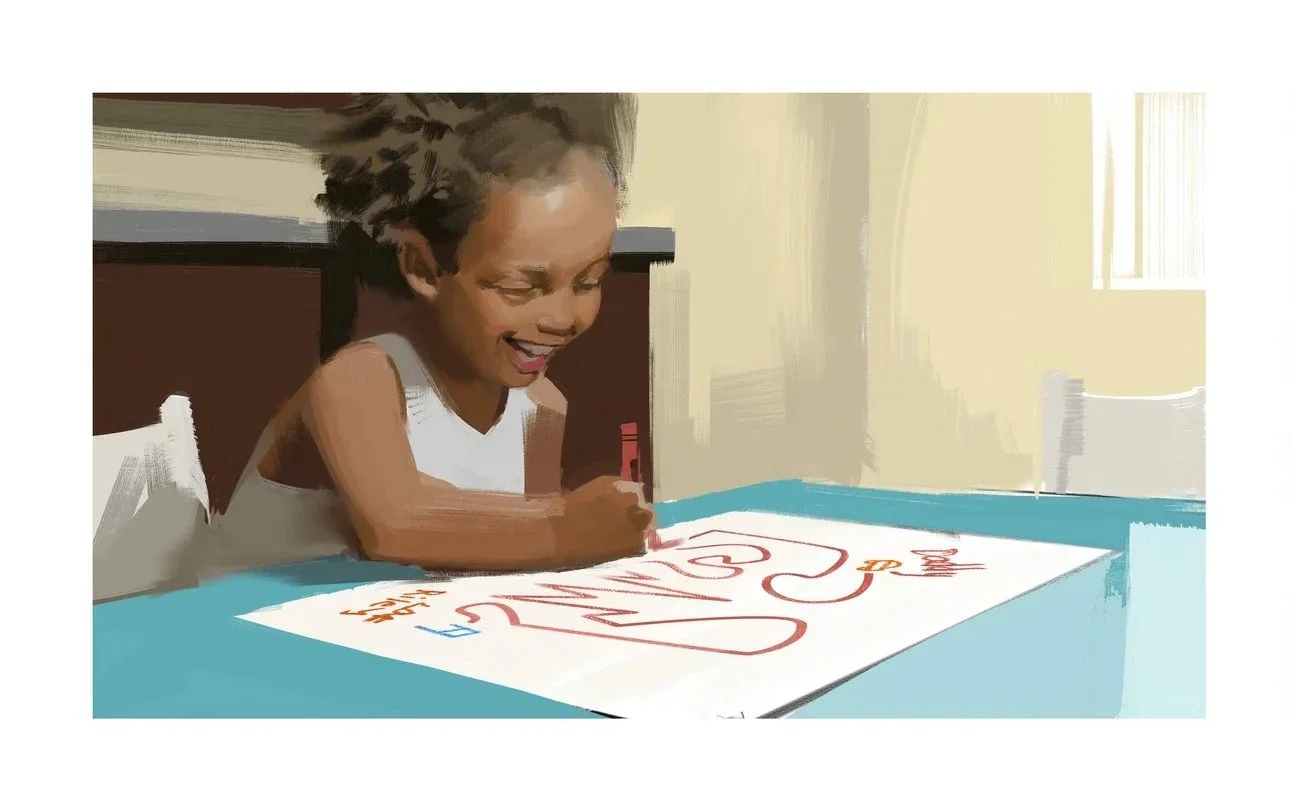
Every film starts out looking a little undercooked. A few scribbled notes. A half-baked outline. An image that only makes sense in the director’s head at 2 a.m. That’s normal. What’s not normal is letting the thing crawl out of the notebook, take a few wobbly steps, and then stay stuck in that awkward baby stage forever.
I’ve seen it happen. A promising idea shows up, everyone gets excited, and then it never really grows up. It just sits there in its onesie, cute but incomplete, while the rest of the production tries to work around it. That’s where an experienced storyboard artist can help. The job isn’t to take the idea away from you. It’s to help it grow some teeth, learn to walk, and eventually hold its own in a room full of producers and department heads. Strong film storyboarding and clear visual storytelling turn those early ideas into something production-ready.
Looking at the Work from Every Angle
One of the most useful things I bring to a project is the habit of looking at everything from multiple angles. I study how the audience will experience a scene. Where does the eye go first? What emotional information is missing? Is the framing supporting the character’s state of mind or working against it? These are practical questions that help turn a rough concept into cinematic storyboards that actually serve the story.
I also dig into the creative brainstorming process. Early ideas are rarely finished. They need pressure, alternatives, and honest testing. When a director shares something unfinished with me, I treat it as material to explore rather than something to protect. We can try different approaches, flip assumptions, or push the emotional stakes higher. The strongest solutions usually come from that kind of open exchange.
Over the years I have worked with a wide range of directors and personalities. Some prefer quiet collaboration. Others want rapid back-and-forth. Some arrive with detailed references. Others show up with almost nothing but a feeling. My job is to adapt to their process while still bringing clear thinking and visual craft to the table. That flexibility matters. Every director works differently, and the boards have to serve their particular way of seeing the story. Good film storyboarding becomes one of the most useful filmmaker tools when it responds to the director’s specific vision.
The Limits of Machines in Creative Development
AI tools can generate options quickly. They can produce variations and fill a screen with images. But they do not adapt to you the way a human collaborator does. You end up adapting to the machine instead. The prompts have to be carefully worded. The results often feel generic. And the deeper questions about character, emotion, and audience experience rarely get answered.
A real artist can sit with an incomplete idea and help it grow. We can point out what is missing, suggest stronger visual approaches, and test how different choices will land with an audience. That kind of thinking does not come from averaging existing images. It comes from experience, observation, and the ability to listen carefully to what a director is trying to say. The result is stronger visual storytelling that feels intentional rather than generated.
How Collaboration Actually Works
The best results happen when directors share ideas early, while they are still rough. Showing unfinished work creates space for real conversation. It lets both sides admit what is unclear and invite better solutions. I have found that the most productive sessions start with a director saying something like, “This is only half-formed, but here’s where I’m headed.” That honesty opens the door to useful feedback and stronger visual choices.
In those conversations I focus on practical storytelling questions. What does the audience need to feel in this moment? How can the framing support that feeling? Where is the tension, and how can we make it clearer? These discussions help the idea move from a rough concept into cinematic storyboards that can guide an entire production.
Why Directors Benefit from This Process
Independent filmmakers and producers working with limited resources especially gain from early visual development. Strong boards and clear concept work help test ideas before money is spent on locations, casting, or shooting days. Problems get caught while they are still cheap to fix. The entire team starts with a shared understanding of the visual plan. In that sense, thoughtful film storyboarding remains one of the most practical filmmaker tools available in pre-production.
The process also builds trust. When a director sees that the artist is listening carefully and responding to the specific needs of the project, the collaboration becomes more effective. The boards stop being generic illustrations and start becoming a real tool for discovering the film through visual storytelling.
Wrapping It Up
Ideas deserve the chance to grow. Leaving them in their earliest form rarely produces the strongest result. Working with an experienced storyboard and visual development artist gives those ideas room to mature through careful questioning, multiple perspectives, and practical visual thinking.
If you are developing a film and want a collaborator who can help shape unfinished ideas into clear, emotionally effective cinematic storyboards, I would be glad to talk through your project. We can take what is still forming and help it become something stronger and more intentional.
📩 Reach out: paul@paultemplestudios.com
🎨 Explore more: www.paultemplestudios.com
Want more blog posts on this topic?
1. The Value of a Story Partner in Visual Storytelling
2. Hiring a Storyboard and VisDev Artist: A Step by Step Guide for Filmmakers and Directors
3. Learning to Pivot in Pre-Production: Lessons for Directors