• Home
  • Film
  • Advertising
  • Stage
  • Contact
Menu

Paul Temple Studios

  • Home
  • Film
  • Advertising
  • Stage
  • Contact
×
 

Behind the Boards: A Blog by Artist, Paul Temple

Welcome to the blog! Here you'll find insights into the art of storyboarding, concept development, shooting boards, and visual storytelling for film, television, and advertising. From camera planning techniques to the emotional impact of character design, this is where I’ll share my expertise honed over a decade of working with directors and top brands. Whether you're a creative director, filmmaker, or agency looking to elevate your pitch, this blog reveals how powerful visuals drive unforgettable stories.

Questions? Email me at paul@paultemplestudios.com

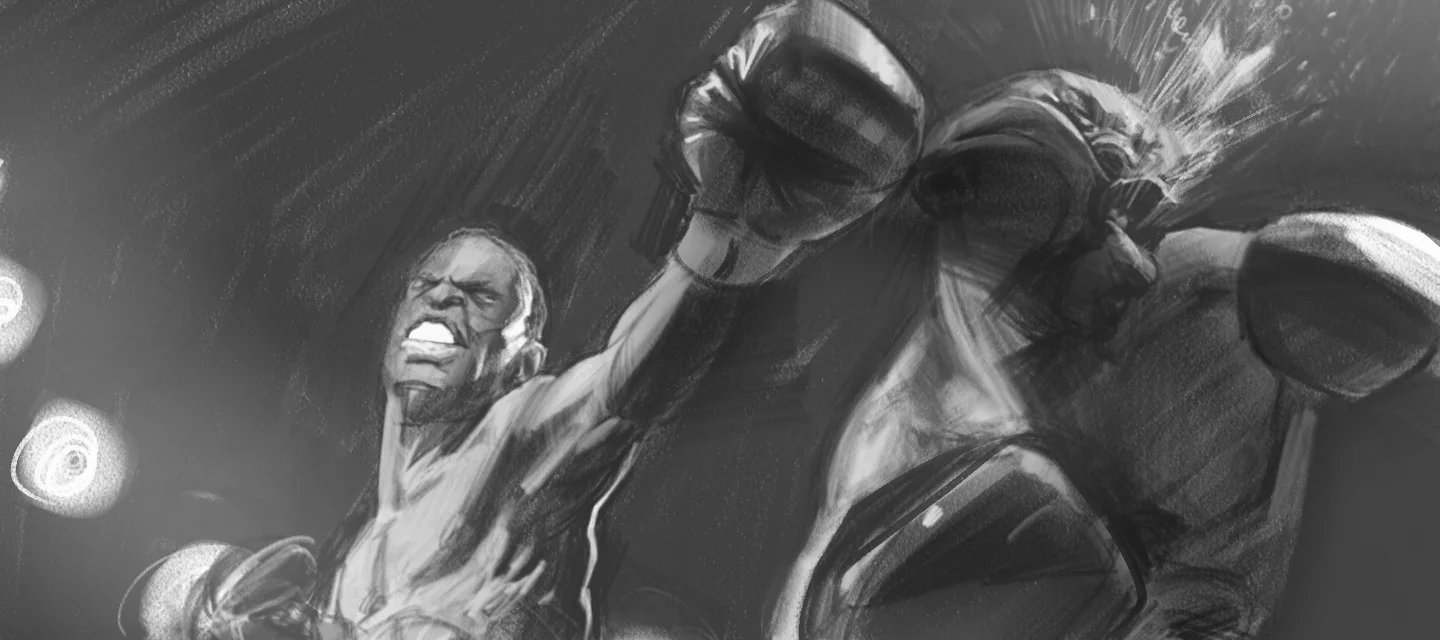
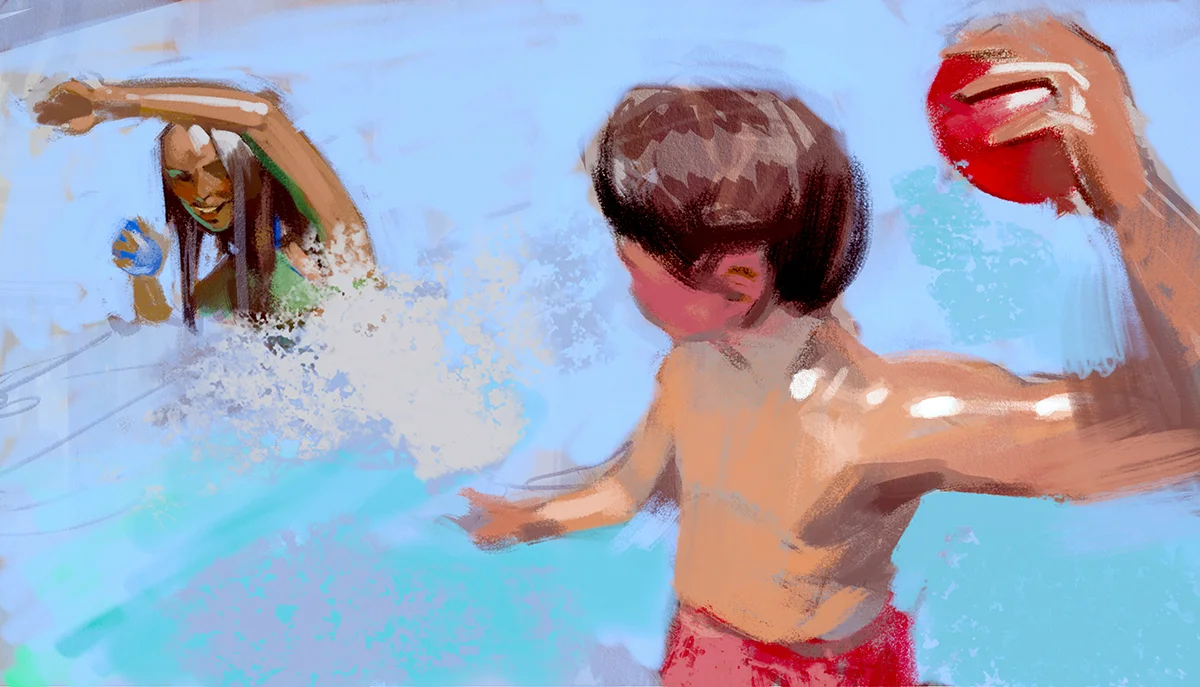
Concept art by Paul Temple

A Life Well Lived: Why AI Will Never Replace Art in Storytelling

Paul Temple July 21, 2026

AI is everywhere in creative conversations now. It has moved from a curiosity on the sidelines to the the middle of the room. In advertising agencies, production studios, and design departments, it has become nearly impossible to have a discussion about the future of creativity without someone asking the same question: “How can we use AI to make this faster?”

Unfortunately, the people asking this question are managers, not artists, and not champions of artists either. It’s their job to facilitate meetings, make decisions, stay in budget and on schedule. That’s all fine and dandy….. until the art, the very thing we are in the room to discuss, gets written out of the plan altogether. Have you ever seen an advertisement or a movie where creative decisions were made by committee? I guarantee you have, and that’s part of the reason why we skip TV commercials and we’ve stopped going to the movies.

“AI is just a tool,” they say. But there is a difference between a tool that helps an artist create and a tool that attempts to replace the artist altogether.

Stealing Credit

Everything that Generative AI systems produce comes from studying enormous collections of existing human-made work. Illustrations, photographs, paintings, designs, and visual styles created by artists have become the raw material for systems that can now imitate those same creative choices.

Many artists have raised serious concerns about this process because their work has been used without permission or compensation. They spent years developing their craft, only to watch a machine learn from that work and produce something that resembles their efforts in a matter of seconds. And most artists won’t even know when their work is being stolen for these purposes.

If you’d like more information about this topic, check out these links:

  • What Happens When Your Art Is Used to Train AI

  • Art will never be the same

  • Artists Are Suing Over Stable Diffusion Stealing Their Work for AI Art

The issue is not that technology is changing, or that we should be anti-technology. The issue is whether we are confusing convenience with creativity. A microwave can heat a meal faster. It does not make you a chef. A GPS can tell you how to get somewhere. It does not mean you understand the journey. And a machine can create a collage of images from the internet. It does not mean a creative decision was made, especially at the expense of a human artist.

Borrowing from Life Experiences

When an artist creates an image, it comes from observation, memory, emotion, and experience. It comes from making hundreds of small decisions based on a lifetime of seeing and feeling. That is something no prompt can replicate.

A machine can generate an image of a person standing in the rain. But it has never stood in the rain. It does not know the feeling of waiting for someone who never arrives, the loneliness of a quiet street, or the way a certain kind of light can bring back a memory from twenty years ago. Those details are where art lives.

Look at the artists whose work has lasted. Author J.R.R. Tolkien drew from his experiences as a soldier in World War I. The horror, camaraderie, and quiet courage he witnessed shaped the depth of his stories. Henry Shrady, the sculptor who created the Ulysses S. Grant Memorial on the National Mall in Washington, D.C., and the statue in Washington Park here in Kansas City, contracted typhoid fever during the Spanish-American War. He taught himself anatomy and sculpting through intense personal study while recovering. That kind of direct, hard-won experience shows up in the power and honesty of his figures. These artists did not live isolated creative lives. Their work gained strength from everything else they went through.

The same principle applies today. When I am developing visuals for a film, my own experiences inform every decision. Shooting film photography teaches me patience with light and composition. Plein air watercolor sharpens my ability to simplify complex scenes quickly. My interest in ancient history helps me recognize universal themes. Adventure stories and games have shaped how I think about pacing, discovery, and world-building.

These experiences are not hobbies separate from my professional work. They are the foundation of it. An artist’s personal experiences become part of every decision they make. The places they have visited, the people they have observed, the stories that stayed with them, and the moments they remember years later all find their way onto the page. That is why two artists can look at the same script and create completely different images. The difference is their life experiences.

Why Directors Still Choose Original Artwork

In an age of generative art, there are still directors that choose to hire artists. Thank the Lord. These are the people who understand the invaluable perspective of an artist. When a film is in the preproduction stage, a strong storyboard can reveal problems before they become expensive ones on set. It can help a director communicate clearly with the entire team. More importantly, it shows what a scene can feel like, not just what it can look like. That is why the directors I respect continue to invest in original artwork.

To wrap this up… Yes, AI can steal and rearrange existing work faster than any human. But it cannot live. It cannot remember the weight of a quiet street at dusk, the way light changes everything, or the small observations that turn into powerful storytelling choices. Those things come from real life. From years of watching, feeling, failing, and noticing. A life well lived.

If you are a director or producer looking for storyboards and visual development that interpret your story with honesty and depth, I would be glad to talk through your project. We can build visuals that feel authentic because they are rooted in real human experience rather than imitation. The best work does more than show what a film could look like. It helps discover what the film is meant to become.

📩 Reach out: paul@paultemplestudios.com
🎨 Explore more: www.paultemplestudios.com

Want more blog posts on this topic?
1. The Human Element: Why Observation Still Beats AI in Visual Development
2.
The Value of a Story Partner in Visual Storytelling
3.
Color Theory, Craft, and the Human Eye
Comment

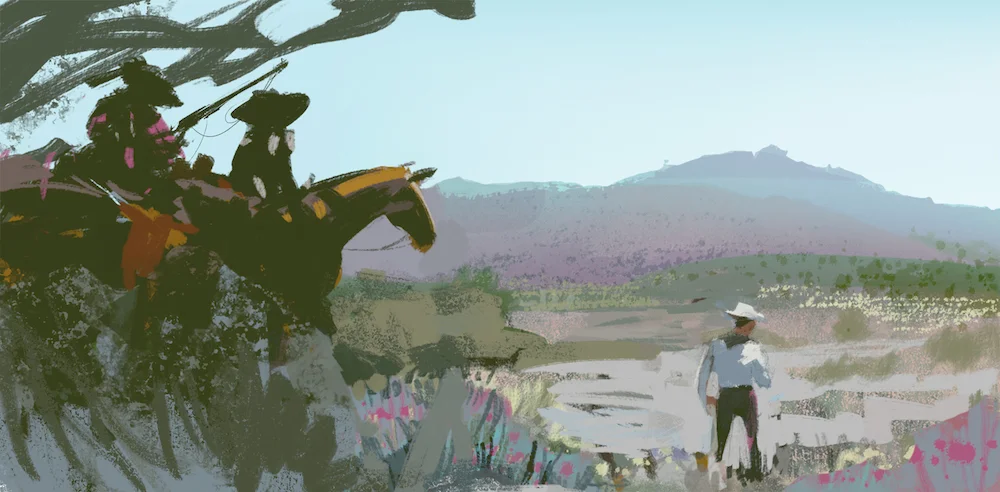
Western concept art by Paul Temple

Edgar Payne on Composition: Lessons for Film Work

Paul Temple July 14, 2026

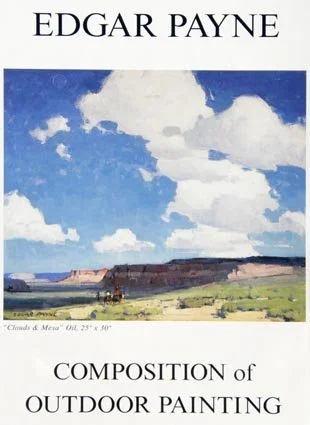
I have a collection of art books in my studio that I pull out regularly. One that I return to often is Edgar Payne’s Composition of Outdoor Painting. It is straightforward, practical, and full of hard-earned wisdom from a working landscape painter. Payne spent years observing nature directly and figuring out how to organize what he saw into strong, harmonious pictures. That kind of thinking translates surprisingly well to storyboarding and visual development for film.

Directors and producers sometimes ask how I make decisions about framing and layout in boards. A big part of the answer comes from principles like the ones Payne laid out. Strong composition guides the viewer’s eye, creates emotional impact, and gives the image a sense of order and purpose. Those skills become extremely valuable when you are trying to help a director visualize a scene during preproduction.

Composition of Outdoor Painting by Edgar Payne

Payne’s Core Ideas on Composition

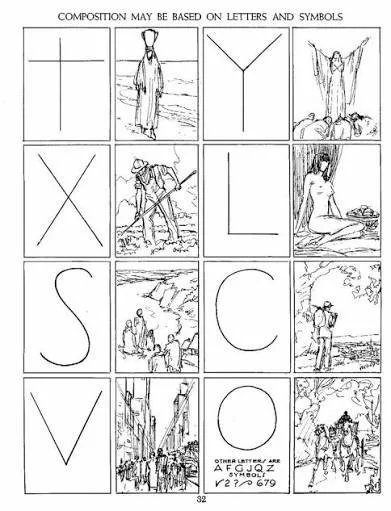
In Composition of Outdoor Painting, Payne emphasizes that strong paintings start with clear design. He talks about “design stems”, which are basic structural patterns that underlie good compositions. Things like the steelyard (a large mass balanced by smaller ones), the S-curve, the triangle or pyramid, radiating lines, and circular or tunnel arrangements. These are practical tools for organizing visual information so the picture holds together and feels satisfying to look at.

He stresses simplicity and unequal measures. A composition with one dominant area of interest balanced by smaller supporting elements tends to feel more dynamic. Payne also paid close attention to value patterns, the big light and dark masses, because our eyes read value before color or detail. Getting those major value shapes right creates immediate impact and unity.

Another idea I return to often is his thinking on rhythm and repetition. Repeating shapes, lines, or color notes with slight variations creates flow and keeps the eye moving through the picture in a natural way. He warned against placing the main point of interest too close to the edge or right in the center, as both can weaken the overall arrangement.

Excerpt from Compositions of Outdoor Painting by Edgar Payne.

How These Principles Apply to Storyboarding

When I am boarding a film sequence, I think about many of these same ideas. A strong establishing shot often benefits from a clear dominant mass and supporting elements. An action sequence might use radiating lines or an S-curve to guide the eye through the movement. A quiet, emotional moment might use a more circular or contained composition to create intimacy and focus.

Payne’s emphasis on value organization is especially useful. In storyboards I block in major light and dark areas early so the emotional tone of the scene reads clearly even in rough form. A dark foreground mass against a lighter background can create depth and drama. A strong value pattern helps the director and cinematographer see the mood before lighting tests begin.

Independent filmmakers benefit greatly from this kind of thinking. With limited shooting days and resources, clear compositional decisions made in pre-production help every department understand the visual plan. The boards become a reliable communication tool instead of just reference drawings.

Practical Use in Visual Development

In visual development, I use Payne’s ideas when designing environments and character placements. A strong triangular composition can give a heroic or stable feeling. A tunnel or circular arrangement can focus attention on a key moment or create a sense of enclosure. Understanding these patterns helps me present options to the director that feel intentional rather than random.

Payne also talked about the importance of motivation, making sure every compositional choice serves the bigger idea of the picture. That thinking keeps me honest when I am working on boards. It is easy to make something look cool in isolation. Payne’s book is a good reminder to keep asking whether the composition supports the moment.

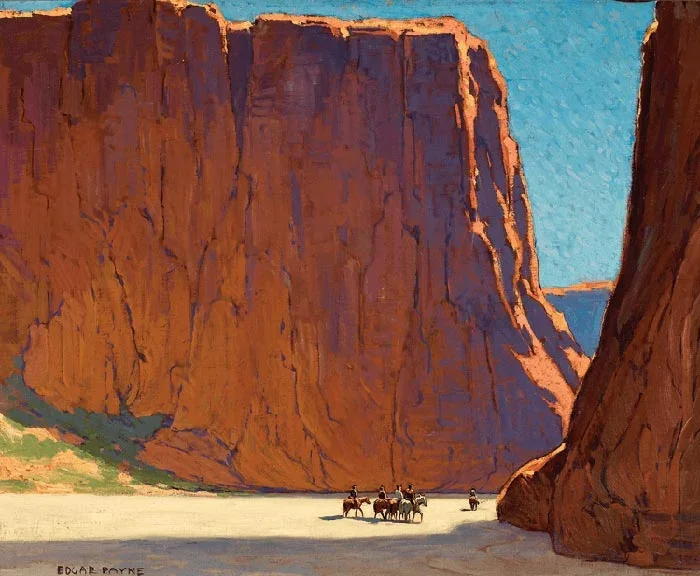
Sunset Canyon - Painting by Edgar Payne

The Enduring Value of These Fundamentals

Edgar Payne was a working artist who painted outdoors extensively. He developed his ideas through years of direct observation and practice. That practical foundation is why his teachings still hold up. They come from someone who had to make paintings work in real conditions with real limitations.

In film work, we face our own limitations, time, budget, locations, actor availability. Having a solid understanding of composition helps me adapt quickly and still deliver visuals that feel purposeful. It is one of the reasons directors find the boards invaluable.

Wrapping It Up

Edgar Payne’s Composition of Outdoor Painting remains one of the clearest books on how to organize visual information effectively. His ideas about design stems, value patterns, balance, and purposeful arrangement continue to influence how I approach storyboarding and visual development for films.

If you are directing a project and want storyboards and visual development grounded in strong compositional thinking, I would be glad to talk through your script. We can apply these practical principles to create clear, emotionally effective visuals that support your story from the earliest stages.

📩 Reach out: paul@paultemplestudios.com
🎨 Explore more: www.paultemplestudios.com

Want more blog posts on this topic?
1. Composition and Control: The Cinematic Science Behind a Great Frame
2.
Patterns in Nature: Lessons for Cinematic Composition
3.
Concept Art and Storyboards for Indie Film Crowdfunding

In Cinematography, Concept Art, Film, Storyboards
Comment

Plein Air watercolor of the Catalina Mountains in Tucson, AZ by Paul Temple.

Why Great Artists Need Interests Outside Their Main Medium

Paul Temple July 6, 2026

I have never met a truly great artist who only worked in one medium. The best ones all had rich lives outside their primary focus. They pursued different outlets that fed their work in unexpected ways.

Frank Frazetta created some of the most iconic fantasy illustrations ever made, but he was also a dedicated weightlifter who built serious physical strength. Edgar Degas is famous for his paintings of ballet dancers, yet he spent years sculpting horses and figures in clay. Leonardo da Vinci filled notebooks with inventions, engineering diagrams, and observations of nature. Michelangelo was a poet as well as a sculptor and painter. These artists kept their minds and hands active across different disciplines, and that variety showed up in their primary work.

As a storyboard artist and visual development artist working on films, I have come to see the value in this approach. Having other creative interests outside my main day-to-day work keeps my eye fresh and prevents the kind of repetition that can creep in when you stay locked in the same medium for too long.

My Own Interests Outside Storyboarding

I shoot film photography, the old-fashioned kind with actual rolls of film. There is something honest about the slower, more deliberate process. I also paint in watercolor, often plein air. Setting up outside with a small kit forces quick decisions and teaches me to see big shapes and essential light before getting lost in details.

I have a strong interest in ancient history. It gives me helpful perspective on modern films. Video games have also been a big part of my life. Metroid Prime had a huge influence on how I think about environmental storytelling and atmosphere. The way it let you explore mysterious, lived-in worlds through first-person perspective still affects how I approach visual development. The Indiana Jones films and the Star Wars prequels were massive influences growing up. They taught me how adventure, mystery, and epic scale can be combined with character and emotion.

These outlets keep me engaged and bring fresh observations back into storyboarding and visual development.

Why Variety Across Mediums Makes Better Visual Storytellers

Directors need storyboard artists who can translate scripts into visuals that feel authentic. That requires more than technical skill in one area. It requires broad observation, emotional range, and the ability to see things from different angles.

When you stay in only one medium for too long, the work can start to feel insular. But when you explore other creative outlets, you bring new insights back to your primary work. Shooting film photography has made me more patient with light and composition. Plein air watercolor has sharpened my ability to simplify complex scenes quickly. My interest in ancient history helps me think about universal themes. Games like Metroid Prime trained me to think about how environments tell stories on their own. The adventure and scale in Indiana Jones and the Star Wars prequels still influence how I approach big cinematic moments.

All of this makes the boards I deliver more useful to directors. They carry real observation and broader experience instead of just repeated techniques from one medium.

The Practical Benefit for Film Productions

When I board a scene, I draw from everything I have seen and done. A quiet conversation between characters might remind me of the changing light during a plein air session. An action sequence might pull from the tension and discovery I felt exploring Metroid Prime’s alien worlds. An epic moment might echo the sense of adventure I loved in Indiana Jones.

Directors benefit because they get storyboards that understand subtext, rhythm, and emotional truth. Independent filmmakers with limited resources especially need this kind of depth. Strong boards grounded in broader creative experience help stretch those resources further by communicating the vision more effectively and reducing confusion on set.

Wrapping It Up

The best artists throughout history kept their creative lives varied. Frazetta lifted weights. Degas sculpted. Great illustrators read voraciously and explored other mediums. That variety made their primary work richer and more human. The same principle holds true today. My own interests in film photography, watercolor painting, ancient history, video games and adventure movies all feed into the storyboards and visual development I create.

If you are directing a film and want a storyboard artist or visual development partner who brings broader creative experience and fresh perspective to every frame, I would be glad to talk through your project.

📩 Reach out: paul@paultemplestudios.com
🎨 Explore more: paultemplestudios.com

Want more blog posts on this topic?
1. Imitation and Originality: Why Your Personal Twist Matters
2.
Breaking Creative Ruts: Metaphor and Non-Linear Thinking in Visual Development
3.
Wisdom In The Work: Bezalel And The Tabernacle

Comment

Concept art by Paul Temple.

George Bridgman: The Anatomy Teacher Behind Generations of Artists

Paul Temple June 29, 2026

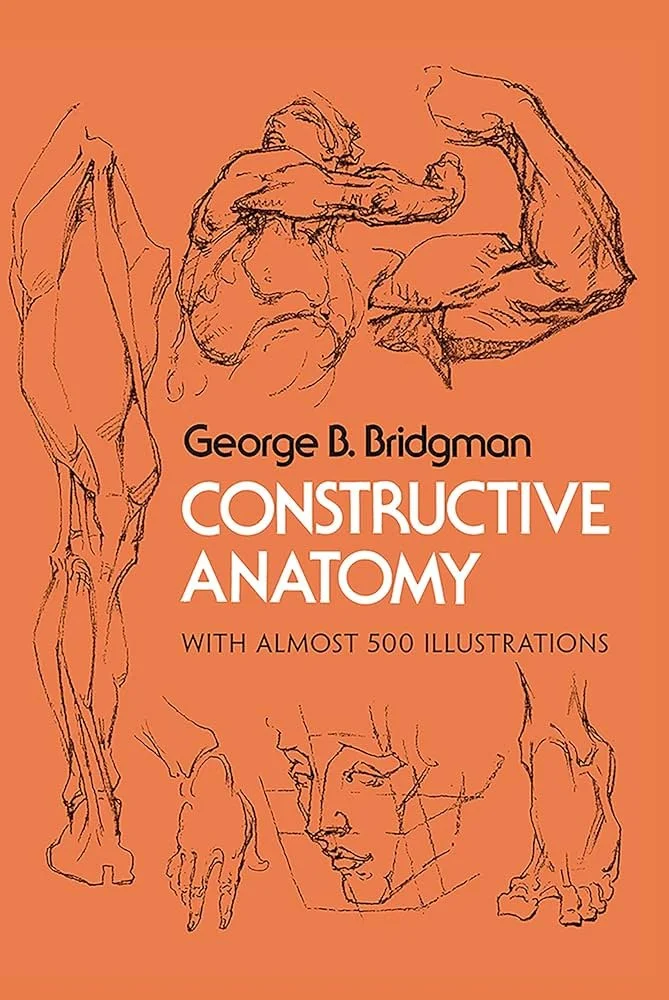
I keep a few well-worn books on the shelf in my studio that I return to regularly. One of them is George Bridgman’s Constructive Anatomy. The pages are full of notes and dog-ears because Bridgman had a way of explaining the human figure that actually made sense when you were trying to draw it in motion. He was not flashy. He was practical. And that practicality influenced a surprising number of major artists, including Norman Rockwell.

George Bridgman taught at the Art Students League in New York for nearly fifty years. He trained tens of thousands of students, many of whom went on to become working professionals in illustration and fine art. His classes were legendary for their intensity and clarity. He focused on constructive anatomy, teaching students to understand the body as a machine of interlocking forms rather than a collection of surface details. That approach stuck with his students, and it still influences how I think about figure work today.

Constructive Anatomy by George Bridgeman.

Bridgman’s Method and Lasting Influence

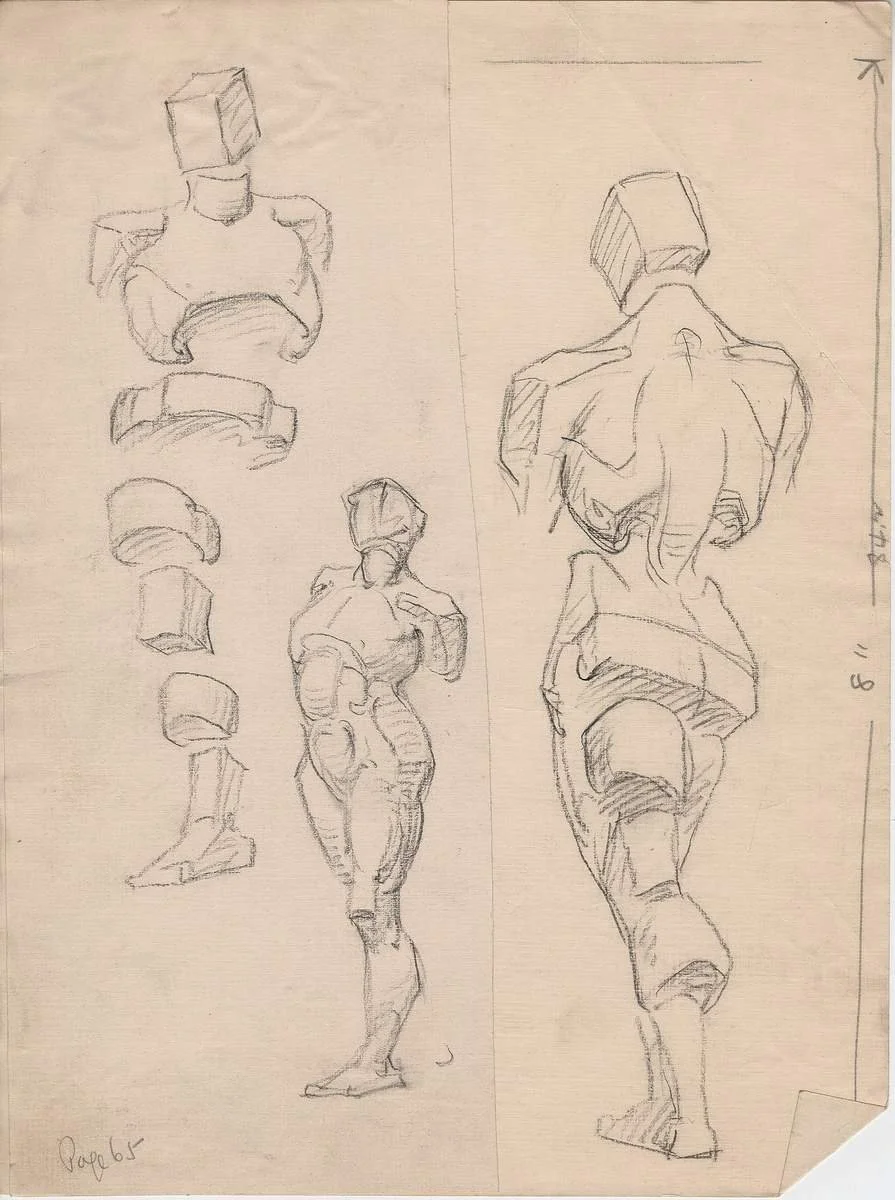
Bridgman’s books, especially Constructive Anatomy and Bridgman’s Life Drawing, broke the human body down into simple geometric shapes and mechanical principles. He showed how the rib cage wedges into the pelvis, how the shoulder girdle moves independently, and how muscles create visible surface forms when the body twists or bends. He emphasized “wedging” and “passing” forms, ideas that help artists draw convincing figures even from memory or imagination.

Norman Rockwell studied under Bridgman and spoke highly of his teaching. Rockwell credited Bridgman with giving him a rock-solid foundation in anatomy and draftsmanship. You can see that influence in Rockwell’s ability to paint complex, expressive figures that feel completely natural, even in highly narrative scenes. Bridgman gave Rockwell and many others the tools to draw people who looked like they could actually move and breathe.

There is a bit of wit in the fact that Bridgman himself was known as a tough, no-nonsense instructor who sometimes showed up in rumpled suits and kept a skeleton in his locker for dramatic demonstrations. He was not trying to be artistic in the romantic sense. He was trying to teach artists how the body actually works. That straightforward approach produced results that lasted.

Why Bridgman’s Lessons Still Matter in Film Pre-Production

As a storyboard artist and visual development artist working on films, I draw from Bridgman’s ideas almost every day. When you are boarding a scene, you need to understand how a character’s body communicates emotion and intention through posture, weight shift, and gesture. Bridgman’s constructive approach helps me draw figures that feel grounded and alive, even in rough thumbnail form.

Directors often need to see how a performance will read on screen before shooting begins. A character slumping in defeat, leaning forward in anger, or twisting in surprise needs to feel believable. Bridgman’s emphasis on underlying structure lets me show those physical truths quickly and clearly. The boards become more useful to the director because they convey performance, not just poses.

In visual development, the same principles apply when designing characters or environments. Understanding how forms interlock and how the body moves under clothing or armor helps create designs that feel convincing from every angle.

George Bridgeman anatomy sketches.

Practical Application in Storyboarding

When I start boarding a sequence, I often begin with simple Bridgman-style construction. I block in the major forms first (the rib cage, pelvis, and spine) before adding gesture and detail. This keeps the figures consistent across panels and helps maintain clear staging even when the camera angle changes.

It also speeds up revisions. When a director wants to adjust a character’s attitude or blocking, I can make those changes quickly because I understand the underlying mechanics. The structure is already there.

Independent filmmakers especially benefit from this. With limited shooting days, strong boards that show believable performance save time and reduce confusion on set. The crew can see exactly what the director is going for because the anatomy and gesture read clearly.

The Enduring Value of Solid Fundamentals

Bridgman was not interested in artistic trends. He taught fundamentals that have held up for decades. That is why his influence shows up in the work of so many successful artists, including Rockwell, J.C. Leyendecker, and even Jackson Pollock . Solid anatomy and constructive drawing give you freedom. Once you understand the rules, then you can start to break them with purpose.

In film work, that freedom is essential. You need to be able to draw fast, revise fast, and still deliver visuals that feel true. Bridgman’s methods help me do that without sacrificing quality or clarity.

Wrapping It Up

George Bridgman’s teaching and books represent something valuable in an era that sometimes favors speed over substance. His focus on constructive anatomy and clear figure drawing created a foundation that helped artists like Norman Rockwell tell powerful visual stories. That same foundation still serves storyboard artists and visual development professionals working in film today.

If you are directing a film and want storyboards and visual development grounded in strong fundamentals and real understanding of the human figure, I would be glad to talk through your project. We can build boards that support performance, emotion, and story with clarity and efficiency.

📩 Reach out: paul@paultemplestudios.com
🎨 Explore more: www.paultemplestudios.com

Want more blog posts on this topic?
1. From Traditional Painting to Preproduction: How Fine Art Roots Shape Visual Storytelling
2.
How Classical Painting Shaped Modern Filmmaking
3.
Breathing Life Into Your Characters: The Importance of Good Character Design

Comment

Storyboards for Samsung ad pitch. Art by Paul Temple.

Using Screenwriting Structure in Storyboards for Better Films

Paul Temple June 8, 2026

Directors and producers often want to know how deeply their storyboard artist understands story. It is one of the most important factors in whether the visuals will actually serve the script or simply decorate it.

Over the years I have learned that a strong grasp of classic screenwriting structure makes a real difference in the boards I deliver. Two frameworks I return to again and again are the traditional three-act structure and Joseph Campbell’s Hero’s Journey. Understanding these patterns helps me create storyboards and visual development that support the emotional arc instead of fighting against it.

The Classic Three-Act Structure

The three-act structure remains the foundation of most narrative films. It is straightforward but incredibly effective.

Act One is the setup. We meet the protagonist, understand their world, and witness the inciting incident that disrupts their normal life. In storyboards this is where strong establishing shots and character introduction visuals matter most. The goal is to get the audience invested quickly.

Act Two is the confrontation. This is the longest and most challenging section. The hero faces increasing obstacles, makes mistakes, and undergoes real growth. For a storyboard artist, this act requires careful pacing. Some sequences need room to breathe with wider shots and slower visual rhythm. Others demand tighter, more intense framing as the stakes rise and tension builds.

Act Three is the resolution. The hero confronts the central conflict in the climax and reaches some form of transformation. Visually, this section is about payoff. The framing, lighting, and composition should reflect the character’s change and the story’s emotional conclusion.

This structure is not a rigid formula, but it gives a reliable map. When I board a film, I look for these major turning points and make sure the visuals reinforce them. A weak Act Two often appears in boards as repetitive staging or unclear progression. Strong boards help the director see the story’s shape clearly before cameras roll.

The Hero’s Journey

Joseph Campbell’s Hero’s Journey offers another powerful lens. It outlines a universal pattern of transformation: the ordinary world, the call to adventure, crossing the threshold, tests and allies, the ordeal, the reward, and the return with new wisdom.

Many great films follow this pattern to varying degrees. The visual opportunities are significant. The shift from the ordinary world to the special world is a perfect moment for striking visual contrast. The ordeal and resurrection stages often call for powerful silhouettes, dramatic lighting shifts, or careful use of negative space to convey the hero’s internal struggle.

I do not force every script into the full Hero’s Journey template. Some stories benefit from it more than others. But having that framework in mind helps me spot opportunities where visual storytelling can deepen character development and emotional impact.

Why Story Structure Matters for Storyboard Artists

A storyboard artist who does not understand story structure tends to create attractive but disconnected frames. They might make every shot look cool in isolation, but the sequence as a whole feels flat or unclear.

An artist who understands structure makes much more intentional choices. They know when to hold on a character’s reaction, when to pull back to show isolation or scale, and when to use repeating visual motifs to track growth across the film. This knowledge helps identify potential pacing problems early, long before they become expensive issues on set.

For example, on a quiet character-driven film, using three-act thinking helps build a clear visual progression. The opening establishes the protagonist’s constrained ordinary world. The middle section becomes disruptive and full of conflict and growth. The final act shows real transformation through changes in framing, lighting, and composition. Boards built this way help the director and crew see the emotional journey more clearly, leading to stronger decisions during production.

The Advantage for Directors

Hiring a storyboard artist who genuinely understands story structure gives directors several real advantages:

  • Visuals that support the script’s emotional arc

  • Earlier identification of pacing or story problems

  • Clearer communication with the cinematographer, production designer, and crew

  • More efficient use of shooting days because the vision is already tested visually

For independent filmmakers working with limited resources, this is especially valuable. Strong storyboards become an efficient way to test and refine the film’s structure without burning through expensive production time.

Wrapping It Up

Classic screenwriting structures like the three-act format and the Hero’s Journey are practical tools. When a storyboard artist really understands them, the boards become a true partner to the director’s vision.

If you are directing a film and want storyboards and visual development built on solid story understanding, I would be glad to talk through your script. We can break down the structure together and create visuals that support the emotional journey your story needs to take.

📩 Reach out: paul@paultemplestudios.com
🎨 Explore more: www.paultemplestudios.com

Want more blog posts on this topic?
1. Hiring a Storyboard and VisDev Artist: A Step by Step Guide
2.
The Value of a Story Partner in Visual Storytelling
3.
The Grammar of Storyboards: Thinking Like a Story Consultant

In Film, Storyboards
Comment
← NewerOlder →
 

Search Posts

No results found
 

Featured Blog Posts

Featured
Story Structure and Song Structure: What They Share
October 26, 2026
Story Structure and Song Structure: What They Share
October 26, 2026
Read more →
October 26, 2026
Breaking Creative Ruts: Metaphor and Non-Linear Thinking in Visual Development
March 9, 2026
Breaking Creative Ruts: Metaphor and Non-Linear Thinking in Visual Development
March 9, 2026
Read more →
March 9, 2026
Hiring a Storyboard and VisDev Artist:  A Step by Step Guide for Filmmakers and Directors
January 7, 2026
Hiring a Storyboard and VisDev Artist: A Step by Step Guide for Filmmakers and Directors
January 7, 2026
Read more →
January 7, 2026
Composition and Control: The Cinematic Science Behind a Great Frame
November 3, 2025
Composition and Control: The Cinematic Science Behind a Great Frame
November 3, 2025
Read more →
November 3, 2025
 

Latest Blog Posts

Featured
Story Structure and Song Structure: What They Share
October 26, 2026
Story Structure and Song Structure: What They Share
October 26, 2026
Read more →
October 26, 2026
What Framed Ink Taught Me About Cinematic Composition
September 21, 2026
What Framed Ink Taught Me About Cinematic Composition
September 21, 2026
Read more →
September 21, 2026
Why Classic Literature Matters for Storyboard Artists
September 14, 2026
Why Classic Literature Matters for Storyboard Artists
September 14, 2026
Read more →
September 14, 2026
Don’t Let Your Film Ideas Stay Babies: Grow Them with Real Artists
August 3, 2026
Don’t Let Your Film Ideas Stay Babies: Grow Them with Real Artists
August 3, 2026
Read more →
August 3, 2026
J.C. Leyendecker: Mastery, Craft, and Timeless Visual Storytelling
July 27, 2026
J.C. Leyendecker: Mastery, Craft, and Timeless Visual Storytelling
July 27, 2026
Read more →
July 27, 2026
A Life Well Lived: Why AI Will Never Replace Art in Storytelling
July 21, 2026
A Life Well Lived: Why AI Will Never Replace Art in Storytelling
July 21, 2026
Read more →
July 21, 2026
HerosFarewell_02s.jpg
July 14, 2026
Edgar Payne on Composition: Lessons for Film Work
July 14, 2026
Read more →
July 14, 2026
Why Great Artists Need Interests Outside Their Main Medium
July 6, 2026
Why Great Artists Need Interests Outside Their Main Medium
July 6, 2026
Read more →
July 6, 2026
George Bridgman: The Anatomy Teacher Behind Generations of Artists
June 29, 2026
George Bridgman: The Anatomy Teacher Behind Generations of Artists
June 29, 2026
Read more →
June 29, 2026
Using Screenwriting Structure in Storyboards for Better Films
June 8, 2026
Using Screenwriting Structure in Storyboards for Better Films
June 8, 2026
Read more →
June 8, 2026
 
Behind the Boards: A Blog by Paul Temple

© Paul Temple Studios 2012-2026. All images on this site may not be reproduced in any form, stored, manipulated or used to train generative AI models of any kind without prior written consent from Paul Temple.